
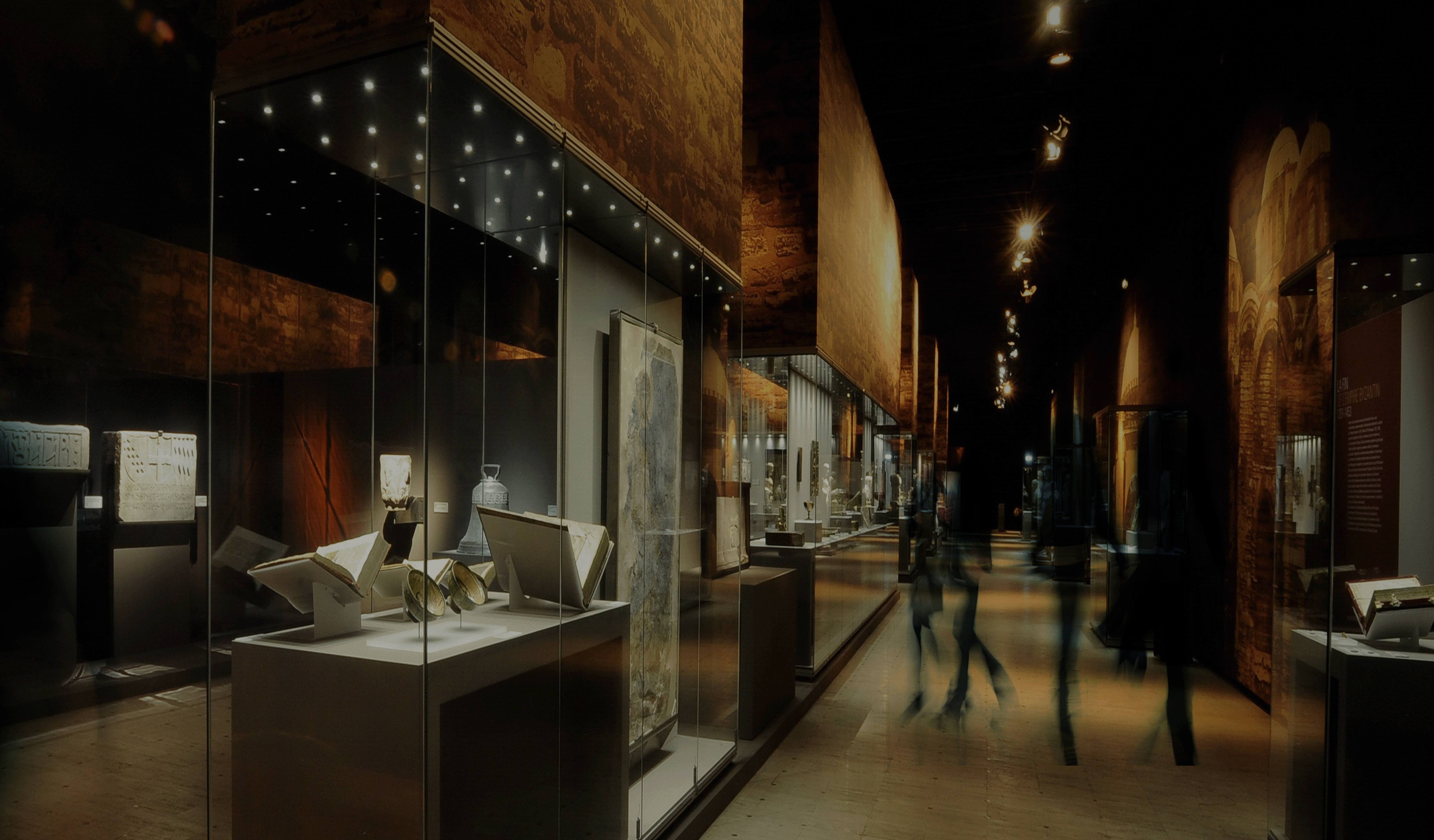
In 2024, the National Museum of Qatar (NMoQ) in Doha reached two remarkable environmental milestones: it was certified carbon neutral for the period 2021–2023 and received Gold in the Green World Awards in the Public Buildings category. Since its opening in 2019, the museum has positioned itself as a global reference in environmental responsibility, working closely with the Gulf Organization for Research and Development (GORD) to advance the country’s Qatar National Vision 2030.
“By embracing sustainability, museums become guardians of both time and our planet, safeguarding artistic treasures and cultural heritage, all while minimizing their environmental footprint,” said Dr. Yousef Alhorr, Founding Chairman of GORD. “NMoQ’s attainment of carbon neutrality not only sets a powerful example for the global art sector, but also serves as an inspiration for organizations across various sectors within Qatar, urging them to prioritize environmental responsibility.”
Behind Jean Nouvel’s iconic interlocking disks, the NMoQ conceals a carefully engineered program for indoor air quality. The museum selected low-VOC (volatile organic compound) materials across every category — from adhesives and sealants to paints, coatings, carpets, and composite wood — as part of its broader health- and performance-driven strategy, recognized with LEED Gold and GSAS 4-Star certification.
VOCs are carbon-based compounds that evaporate at room temperature, migrating into indoor air and reacting to form irritants or smog precursors. In galleries and archives — where conservation and visitor comfort are paramount — the materials specified can either pollute the air or help purify it. By choosing low-emission finishes, museums reduce off-gassing, protect fragile collections, and create healthier spaces for staff and the public. These choices contribute directly to the United Nations Sustainable Development Goals, from Good Health and Well-Being (SDG 3) to Industry, Innovation and Infrastructure (SDG 9), reminding us that design decisions at the material level ripple into global impact.
It is a quiet revolution in specification — but one with daily, tangible effects.
A much older institution that has been an early pioneer in healthy materials is the Children’s Museum of Pittsburgh, which set a precedent with its 2004 expansion, earning LEED Silver certification for its use of formaldehyde-free, low-emission adhesives, sealants, paints, carpets, and composite wood. The project also integrated daylighting strategies and water/energy efficiencies, marking one of the first U.S. children’s museums to adopt a holistic green approach.
In 2020, the MuseumLab expansion for children aged 10 and up achieved LEED Gold certification, continuing the commitment to low-VOC paints and healthy material strategies. Along the way, the museum has been recognized by the American Institute of Architects (AIA), the National Trust for Historic Preservation, and PA Museums, cementing its reputation as one of the top children’s museums in the United States.
The result is a child-focused campus where design decisions support both learning and lungs — a place where environmental responsibility becomes part of the play experience.
When museums choose low-emission materials, they don’t just comply with standards; they set a higher bar for cultural stewardship. Healthier specifications protect fragile pigments from chemical reactions, prevent corrosion of metals, reduce staff fatigue, and give visitors clean, breathable air as part of their experience. In this sense, the future of architecture may not be seen at first glance — it will be breathed.
NEXT IN Summit is the event promoted by ACCIONA Cultura that brings together international leaders in the cultural field to share experiences, discuss ideas and analyze the challenges that will shape the future of the cultural industry.