
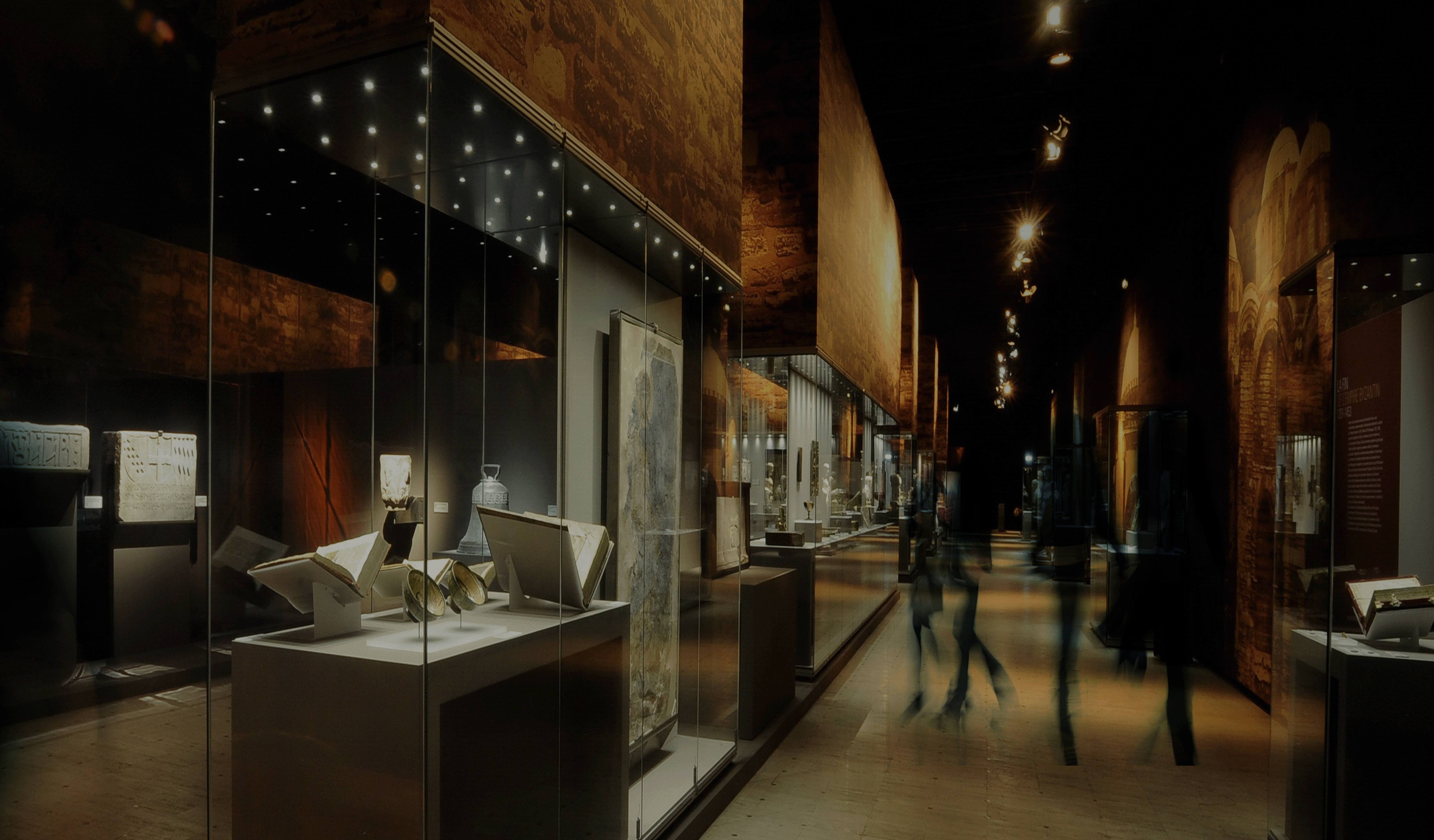
In recent years, exhibition-making has moved beyond aesthetic and narrative concerns to include the measurable impact of its own production. Integrating environmental impact assessment models early in the design phase allows museums to evaluate logistics, transport, construction, and communications before any materials are sourced or installed.
The Design Museum in London has pioneered this approach through its Environmental Impact Toolkit, a resource developed to help designers, curators, and producers understand and mitigate the carbon footprint of temporary exhibitions. The toolkit includes a step-by-step guide—Exhibition Design for Our Time—and an impact model that enables comparison between materials, fabrication methods, and installation scenarios.
The idea of producing this guide emerged out of the exhibit Waste Age: What can design do? exhibition which opened in the Fall of 2021. As the museum notes, “We don't want environmental impact to be the responsibility of just one person in the museum: it needs to be integrated into our culture.”
The toolkit’s influence extends across the sector. Organizations such as CIMAM (International Committee for Museums and Collections of Modern Art) have built on similar frameworks with their Toolkit on Sustainability in Museum Practice, supporting a shift toward shared accountability in exhibition production.
Together, these initiatives represent a crucial evolution in curatorial thinking—where design not only tells a story but measures its consequences.
NEXT IN Summit is the event promoted by ACCIONA Cultura that brings together international leaders in the cultural field to share experiences, discuss ideas and analyze the challenges that will shape the future of the cultural industry.