
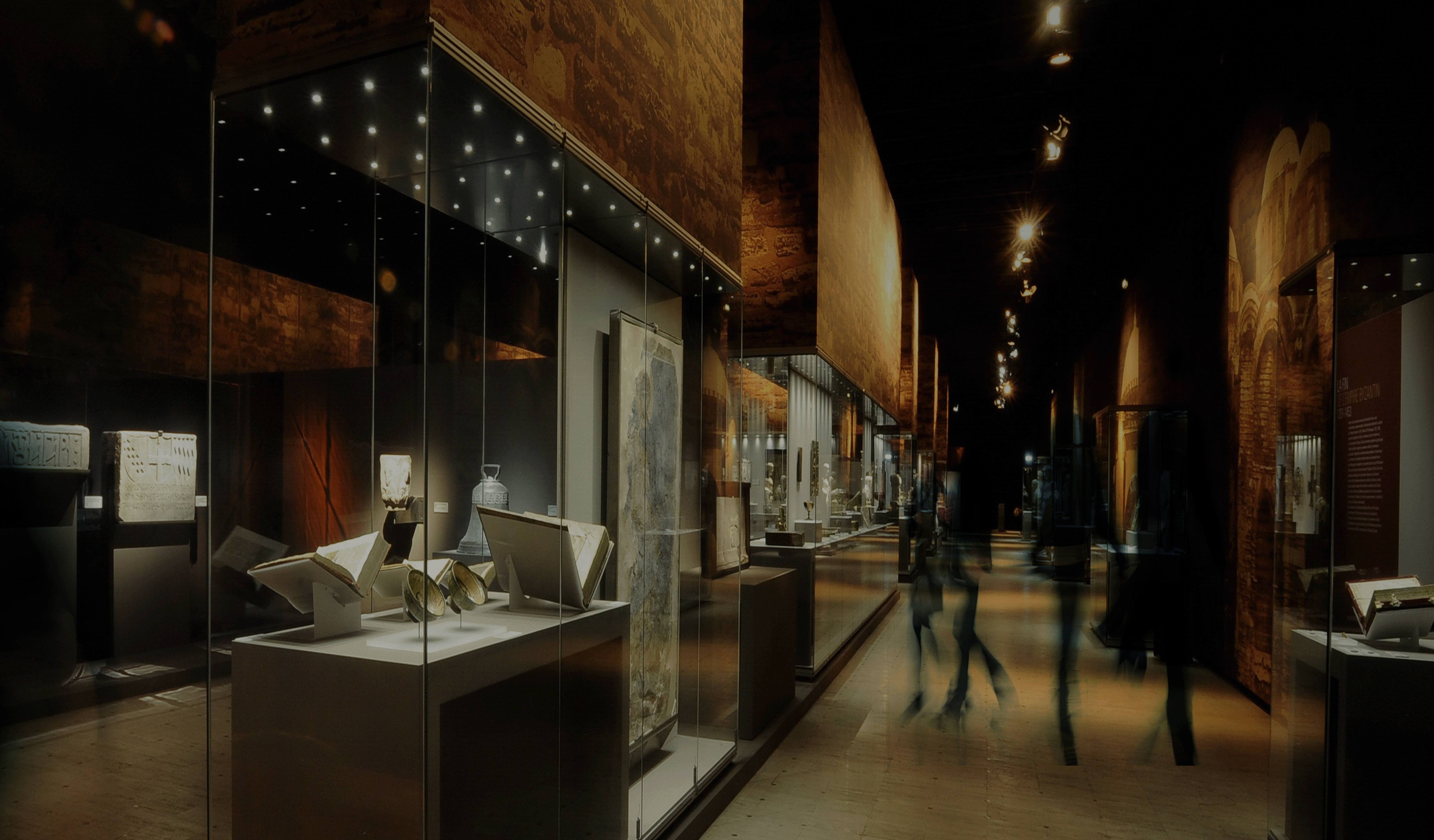
For decades, one phrase has silently presided over museum galleries: “Do not touch.” A reasonable rule to protect the artworks... which, unintentionally, built a wall. For many people—especially those with visual impairments—that sign meant being excluded from an intimate and direct experience with art.
Today, that wall is beginning to come down. A growing number of institutions are transforming prohibition into invitation. That shift is not just a matter of innovation in mediation: it’s about equality, social peace, and trust in institutions. In other words, it’s about embodying the 17 goals set out in the United Nation’s Sustainable Development Goals (SDGs): particularly reducing inequalities (SDG 10) and strengthening fair and inclusive institutions (SDG 16). Accessibility is no longer a “nice to have”; it is necessary in order for culture to belong to everyone.
In 2015, the Prado Museum launched an exhibition with a title that was, in itself, a turning point: Hoy toca el Prado (a word play between “Today, it's the Prado's turn” and “touch the Prado today”). Six iconic works from the collection were presented in high relief, allowing blind and visually impaired people to read with their fingertips what others read with their eyes: the curve of a gesture, the tension of a fold, the composition of a scene.
Thanks to the Didú methodology developed by the Bilbao-based Estudios Durero, pieces such as The Nobleman with His Hand on His Chest (El Greco), The Parasol (Goya), and Noli Me Tangere (Correggio)—some in their original size— were converted into tactile works. The exhibition, which originated in Madrid, then traveled around Spain (first to six institutions and, between 2021 and 2023, to six more), multiplying its impact.
The idea was simple and powerful: touch to see. And with that, rewrite the very terms of how we access culture.
Long before “accessibility” became a buzzword, the Museum of Modern Art (MoMA) was already paving the way. For more than 50 years, the MoMA has been organizing touch tours, and today its Art inSight program offers free tours and activities for blind and visually impaired visitors.
The lesson from the MoMA is clear: when a museum incorporates touch into the experience, it does not “simplify” art; it amplifies it, turning it into body, rhythm, volume, emotional warmth.
The Museo Nacional de Ciencias Naturales (National Museum of Natural Sciences) in Madrid has made tactile exploration an everyday tool. Its 3D models and tactile displays allow visitors to explore nature’s shapes and patterns through touch. In science, touching is not a special privilege: it is a method of inquiry. And that logic, applied to museum mediation, opens up new possibilities for visitors who were previously left out.
At the Smithsonian American Art Museum in DC, accessibility is framed as a multisensory experience. Verbal descriptions, tactile replicas, and sensory tours of its America Insight program combine narration and touch. Art history is no longer a story “to be seen” and becomes a story to be experienced: with the ears, the skin, and the imagination.
Across these examples, there is a common denominator: accessibility isn’t an exception but a way of communicating. A language where the hand is not a threat but a guide; where mediation doesn’t infantilize, it empowers; where technology (from reliefs to 3D printing) isn’t a gimmick, but a bridge.
When a museum allows touching, it builds trust between its audience and its mission. And that trust strengthens the institution: it makes it relevant, fair, and beloved. That’s exactly what SDG 16 stands for. At the same time, by breaking down barriers for those who have always remained on the sidelines, it delivers on SDG 10: reducing inequalities in practice, not just on a brochure.
Sometimes the most revolutionary gesture is the most simple: removing a “Do Not Touch” and replacing it with “Touch to See.” It’s more than a label change, it’s a cultural promise.
When art can be touched, it lets us in. And in doing so, it turns museums into what they’ve always claimed to be: places where everyone belongs.
NEXT IN Summit is the event promoted by ACCIONA Cultura that brings together international leaders in the cultural field to share experiences, discuss ideas and analyze the challenges that will shape the future of the cultural industry.