
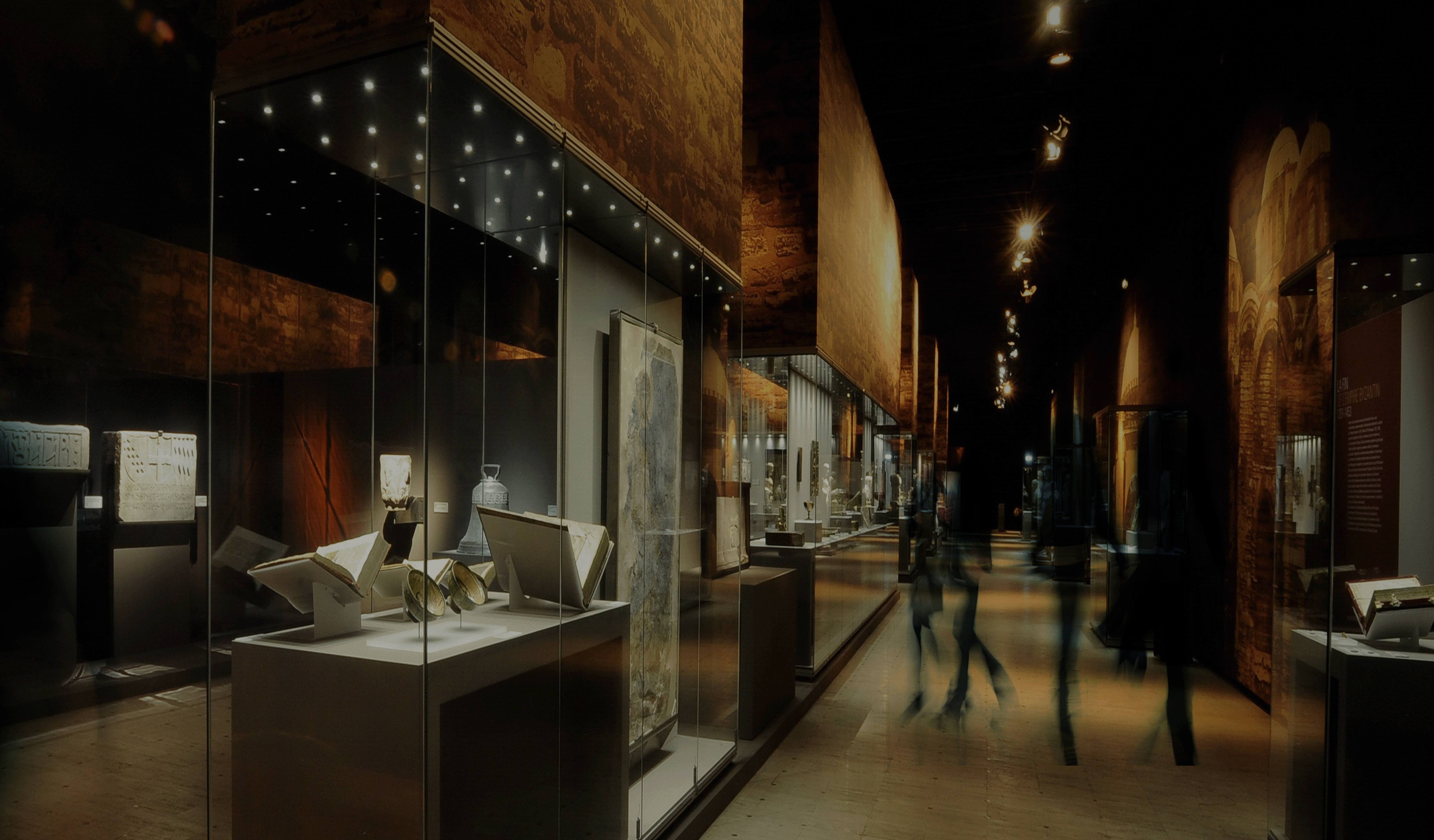
When we think of the transformation of museums, we often picture striking architecture, innovative exhibition design, or the latest digital tools. Yet the most profound change often comes from the people who work behind the scenes every day.
Employees are the ones who translate institutional strategies into everyday practice. They adjust the lights, plan the exhibitions, engage with visitors, and make daily decisions that add up to long-term impact. When trained and empowered, they become agents of transformation, capable of generating new ideas and embedding values of care and responsibility into the very fabric of museum life.
This focus on people also resonates with the broader global agenda, including the United Nations Sustainable Development Goals, particularly SDG 13 (Climate Action). By investing in their teams, museums don’t just comply with regulations; they demonstrate leadership, foster innovation, and inspire confidence in the communities they serve.
In 2016, the Manchester Museum was the first cultural institution in the world to adopt the Carbon Literacy Project, a training initiative that helps individuals and organizations understand and reduce their carbon impact. Staff undergo certified training and join internal working groups dedicated to environmental action and social justice.
This approach ensures that responsibility for change doesn’t sit in a single department but is shared across the institution. By empowering staff, Manchester Museum has cultivated a culture where every role, from curator to front-of-house, contributes to a greener and fairer future.
At the Victoria & Albert Museum (V&A), professional development goes beyond traditional skills. The museum integrates training modules specifically focused on environmental and social responsibility, preparing staff to embed these principles into their everyday work.
This demonstrates how large cultural institutions can leverage their scale to create a workforce fluent in change-making practices, ensuring that the values reflected in exhibitions are mirrored in operations and staff culture.
The Museu Nacional d’Art de Catalunya (MNAC) in Barcelona takes a simpler approach. Through its intranet, the museum shares “information capsules” — short, practical sustainability tips that help employees cut waste, save energy, and adopt more mindful habits in their daily work.
By breaking down complex ideas into accessible advice, MNAC shows that small, consistent actions can shift habits across an entire workforce, proving that cultural change can be nurtured one step at a time.
Museums have always been places of learning for the public. By investing in staff development, they extend that mission inward, creating teams that grow alongside the communities they serve. Training becomes not an add-on, but a way of ensuring that museums remain relevant, resilient, and deeply connected to society.
NEXT IN Summit is the event promoted by ACCIONA Cultura that brings together international leaders in the cultural field to share experiences, discuss ideas and analyze the challenges that will shape the future of the cultural industry.