
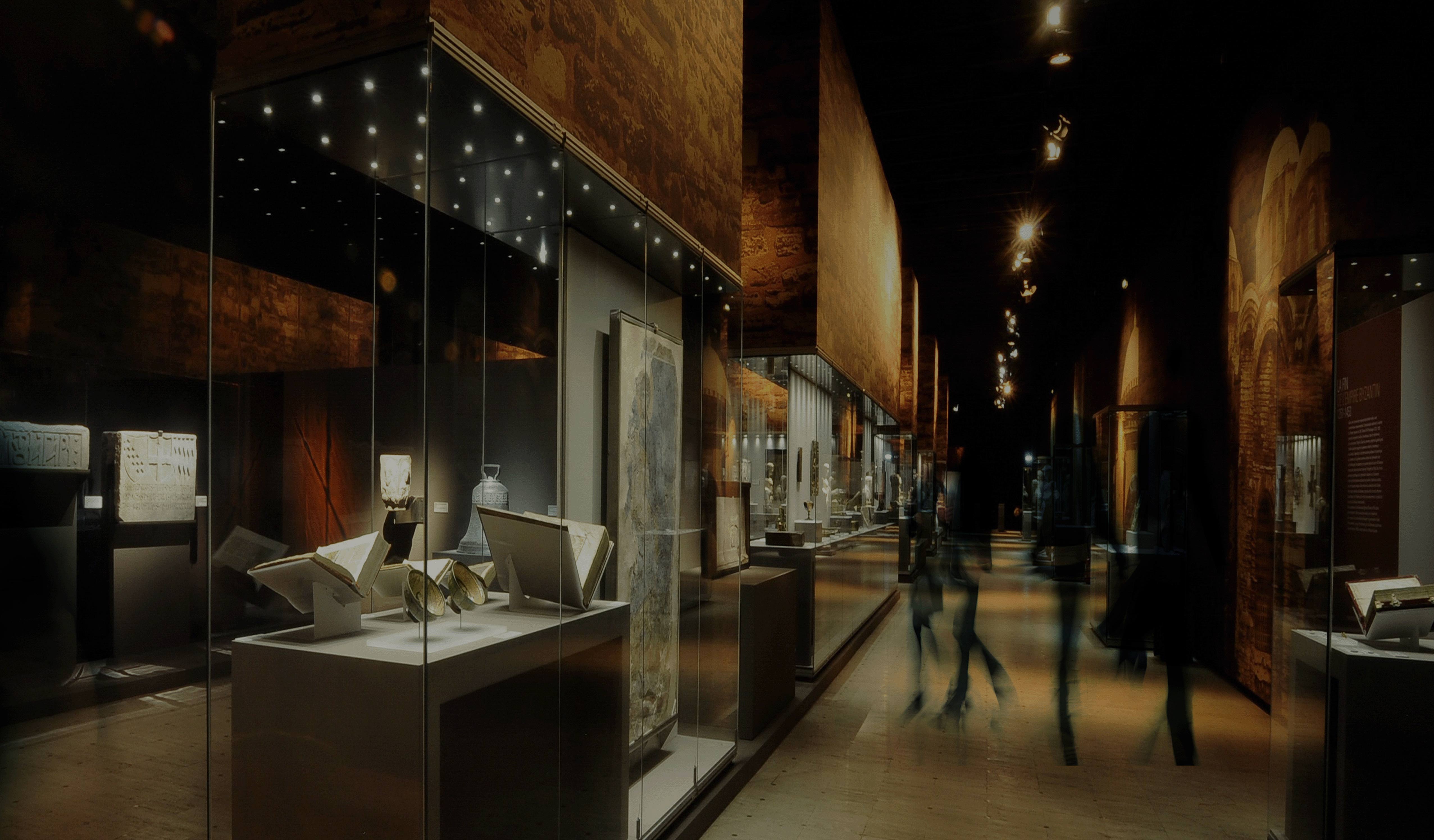
They arrived from the English countryside, from the pioneering mills of Manchester, and from the far corners of the earth to marvel at the great breakthroughs of their era. The near-instantaneous pulse of the electric telegraph, the sheer force of the hydraulic press, the imprint of light preserved on early daguerreotypes, and the horse-drawn mechanical reapers set to replace the age-old sickle were just some of the inventions assembled beneath the majestic glass vaults of the Crystal Palace in Hyde Park, London.
The year was 1851, and the Industrial Revolution had just taken physical form in a landmark gathering: the first Universal Exposition. In the years that followed, this showcase established itself across continents as the pre-eminent stage for human ingenuity and discovery.
Over thirty years ago, ACCIONA Cultura joined this journey with its participation in Expo ’92 in Seville. That commitment has endured across almost every subsequent edition, culminating in our work at Expo 2020 Dubai.
Yet while the nineteenth century looked out upon the dawn of mechanisation, this recent edition was defined by the legacy of that rapid technological acceleration and humanity’s footprint on the planet today. Above all, it was an inquiry into the responsible stewardship of our natural resources and a call to dialogue with the living world. It provided an arena where ACCIONA Cultura had much to say; not only in terms of technical virtuosity, but in environmental stewardship and long-term vision.
In this feature article, we take you behind the scenes to reveal how monumental installations were brought into being, from the Giant Roots in Under the Forest to the Ocean Tunnel and the kaleidoscopic reflections of the Infinity Room in the Under the Ocean gallery. Along the way, we explore why world expos remain an organic expression of our creative and engineering DNA; a global stage where ACCIONA Cultura comes into its own.
Expo 2020 Dubai represented the largest single undertaking and concentration of resources in ACCIONA Cultura’s history. Alongside Terra – The Sustainability Pavilion, one of the architectural centrepieces of the entire event, we took charge of project management, technical development, audiovisual engineering, interior fit-out, and maintenance operations for the United Arab Emirates Pavilion.
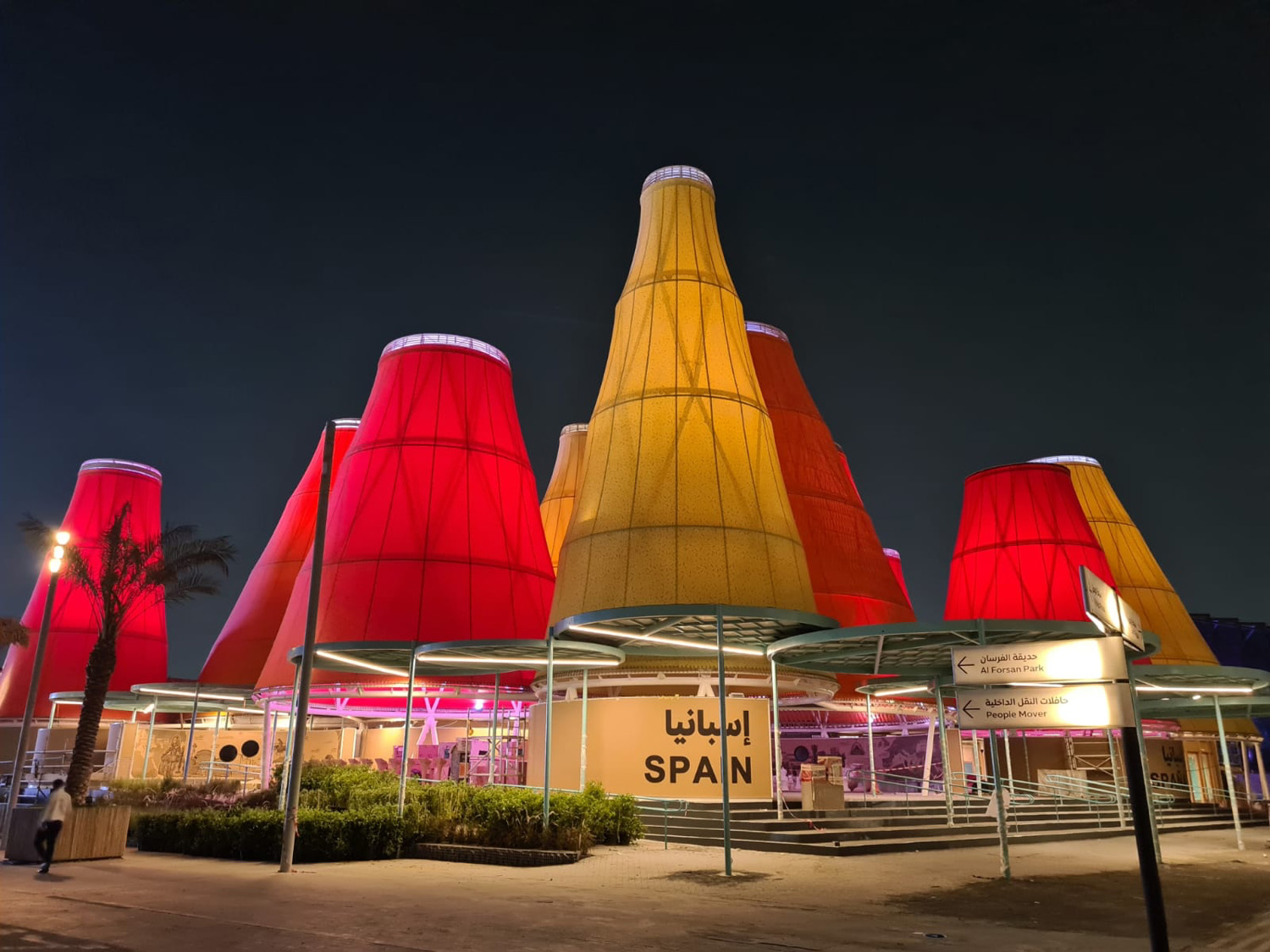
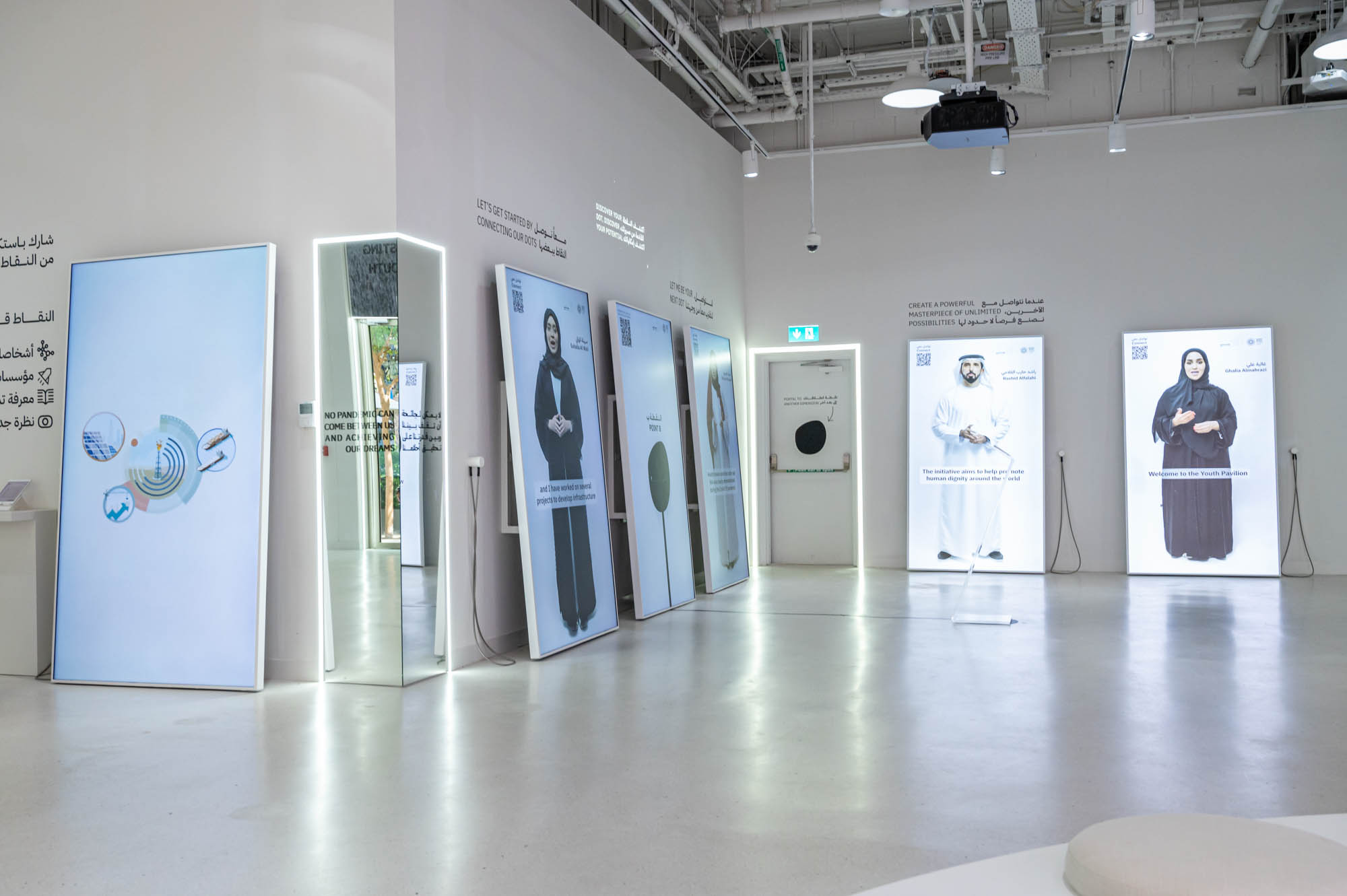
Yet our work reached well beyond these flagships. It also included the Spain Pavilion, the Youth Pavilion, and the Thematic District Pavilions, conceived as a dynamic, interactive conference hub.
Each venue called for a distinct blend of craft and logistical mastery, but Terra, with its singular focus on sustainability, was both the most intricate and the closest to our core philosophy. Extending across more than 10,000 m² of exhibition space, its execution was awarded LEED Platinum certification for sustainable design. The following elements formed the heart of that achievement.
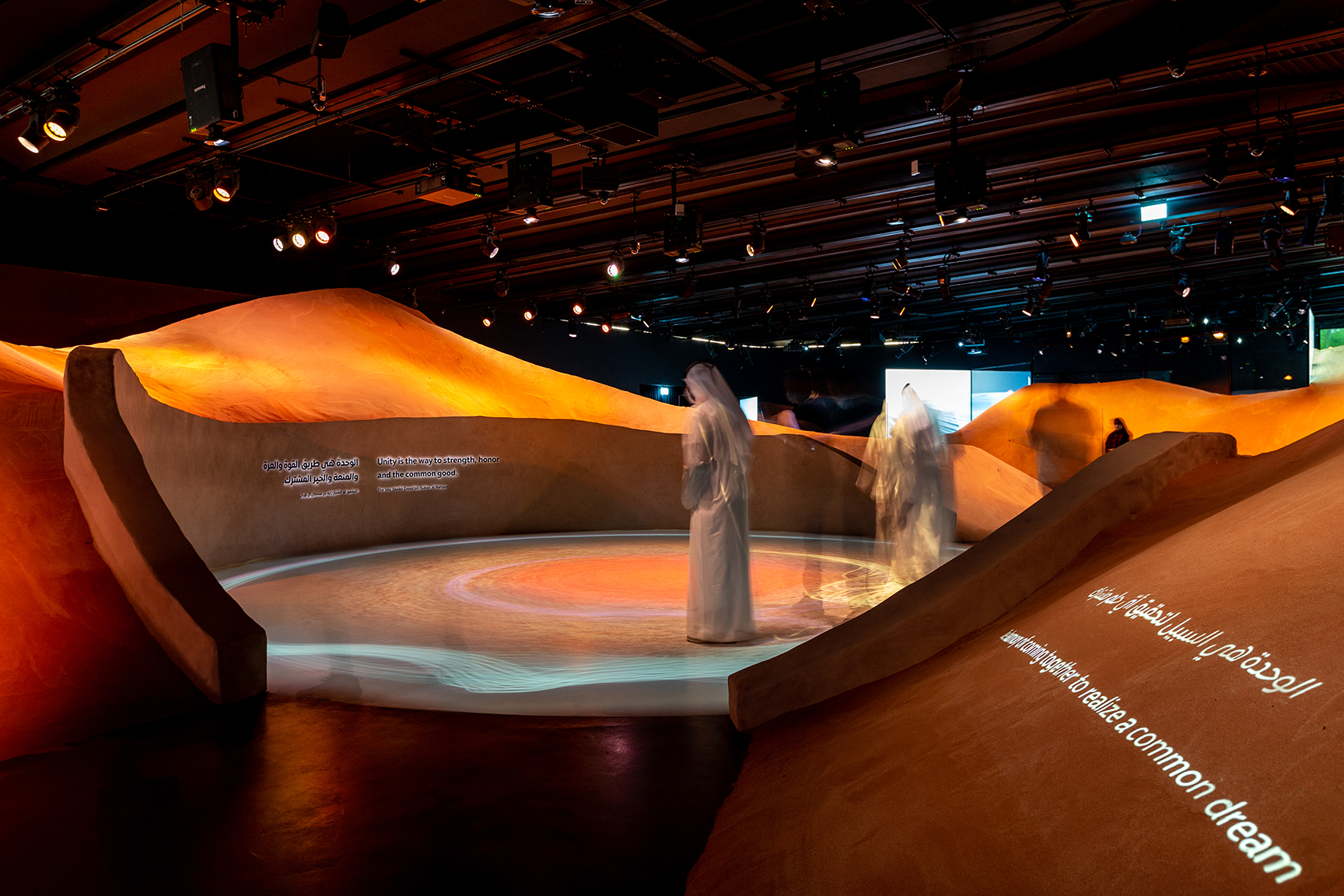
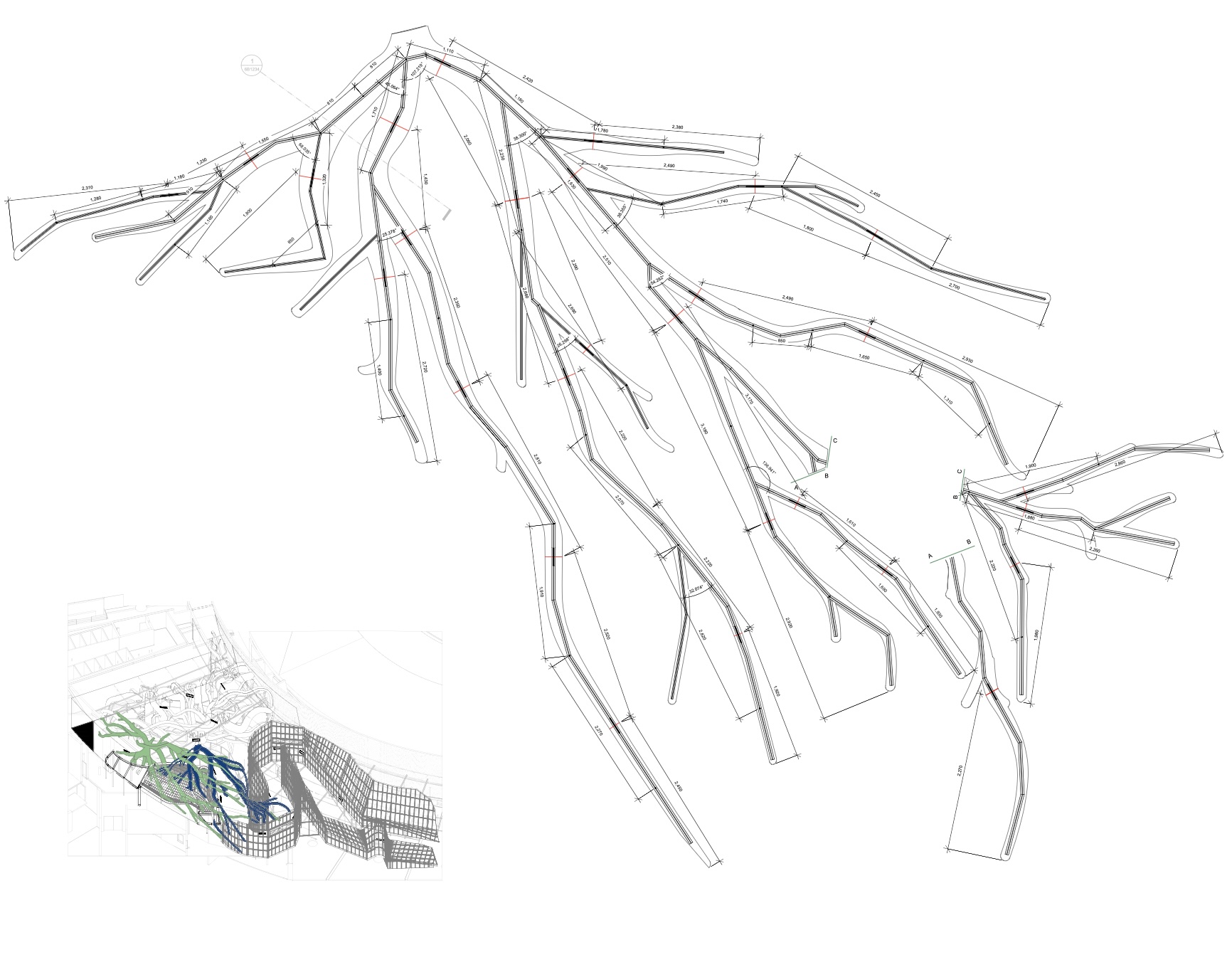
Before a single physical structure takes shape on site, creating a comprehensive digital model, typically working to BIM protocols, is indispensable. This digital replica grows in complexity from initial coordination phases down to the smallest detail of ongoing maintenance.
On Terra, the project demanded an exacting level of geometric and technical fidelity from day one. That necessitated building an ultra-detailed digital model at the very start of the process, plotting every single fixture and luminaire with forensic accuracy.
The resulting model allowed us to coordinate all specialists and teams, anticipate potential clashes or incompatibilities between elements, and guarantee precise execution within an exceptionally complex environment—not only physically, but across all content programming.
Terra was designed around an emotional crossroads in humanity's relationship with the natural world, led by a narrative journey that directly challenged the visitor. Immersive galleries exploring the forest floor and the ocean depths brought into sharp relief the beauty of wild ecosystems alongside the heavy toll exacted by modern consumer habits.
Out of that encounter, the visitor was meant to find a renewed resolve to face the realities of the Anthropocene. Our role was to give tangible life to those subterranean and marine realms, mastering every visual and tactile parameter they required. Across this pavilion—which itself stood as an object lesson in regenerative design through its clean energy harvesting and responsible materials—we delivered three major permanent installations.
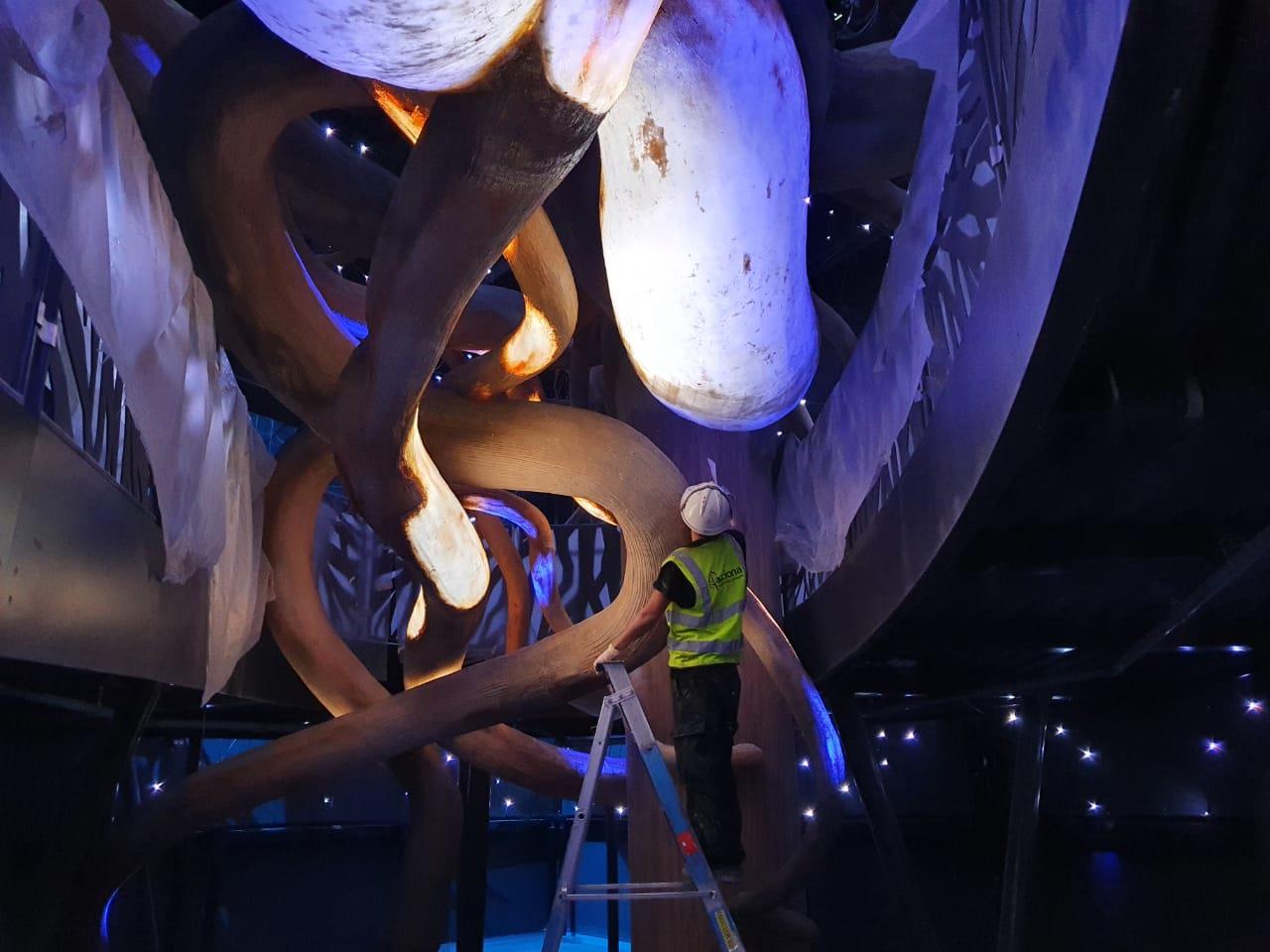
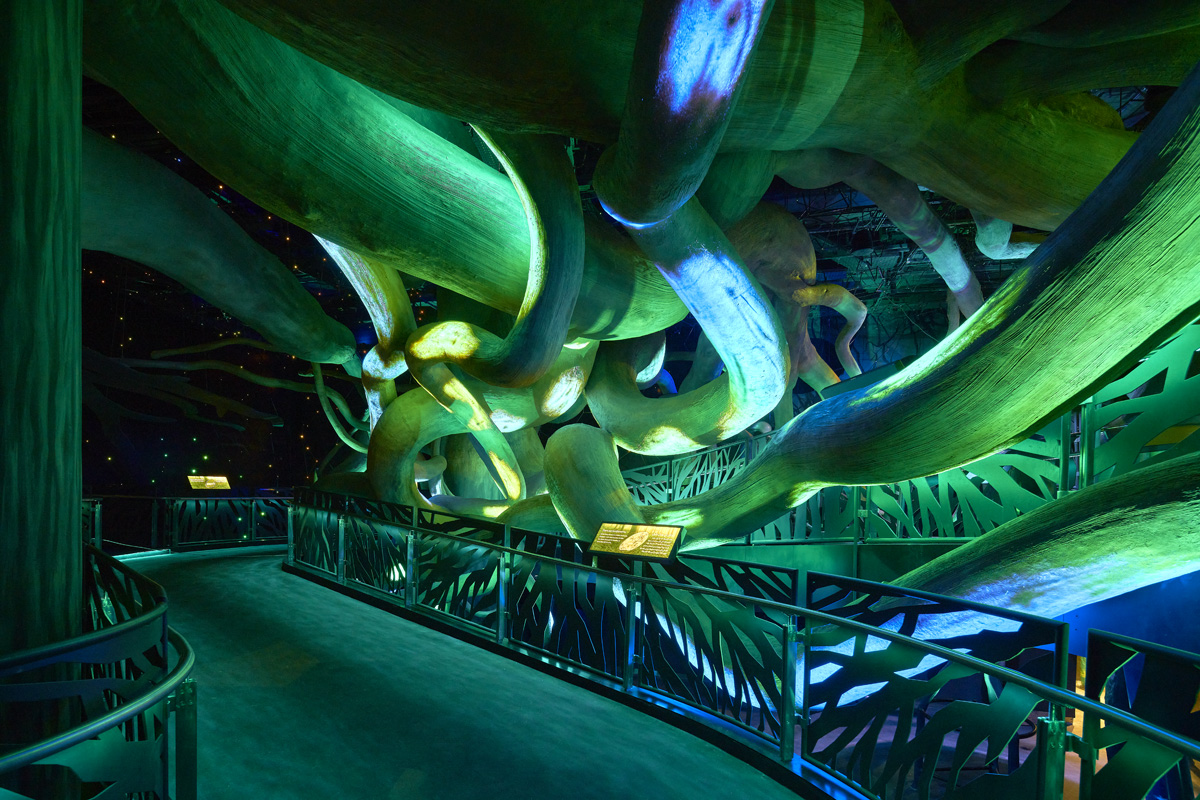
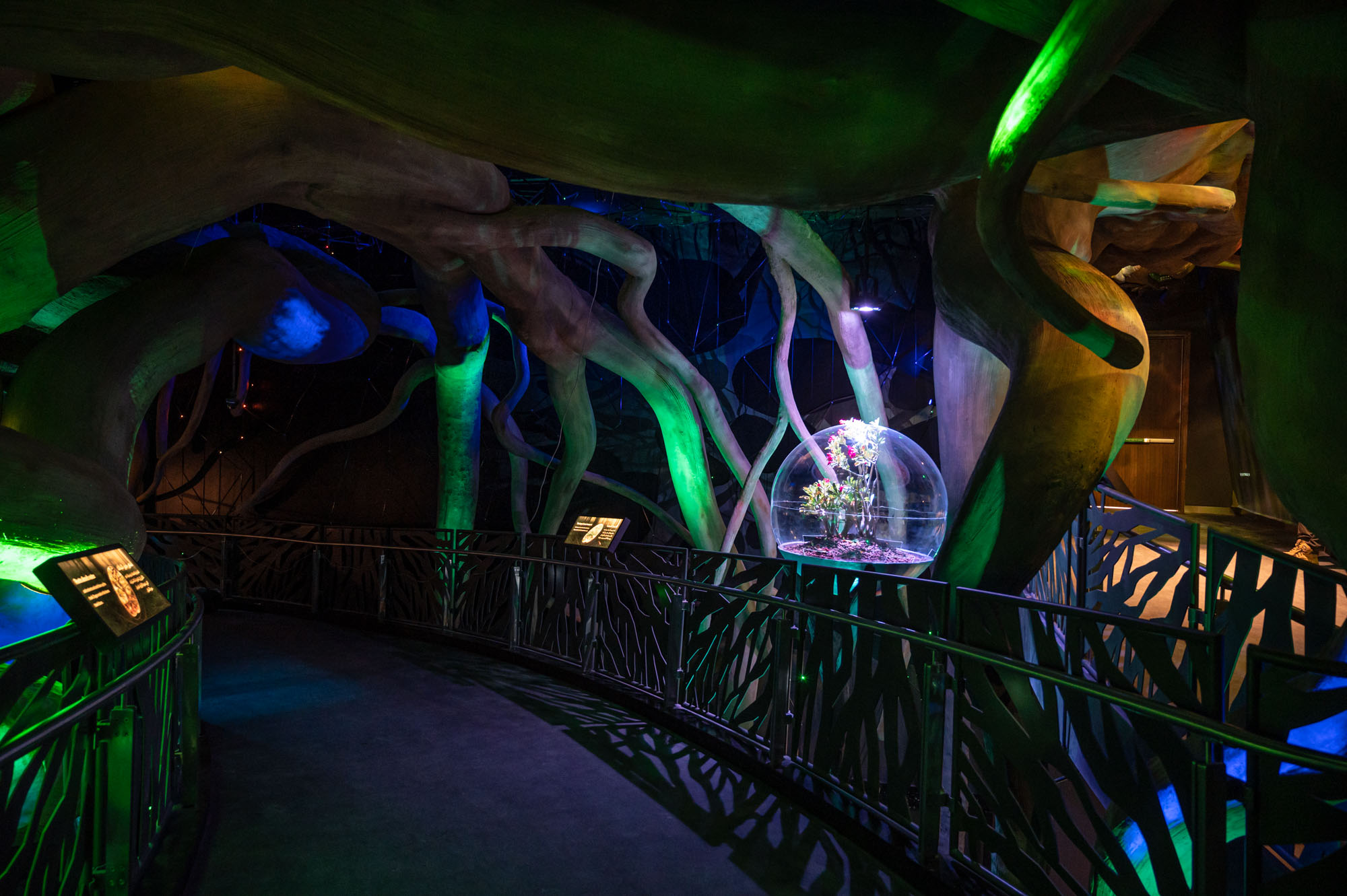
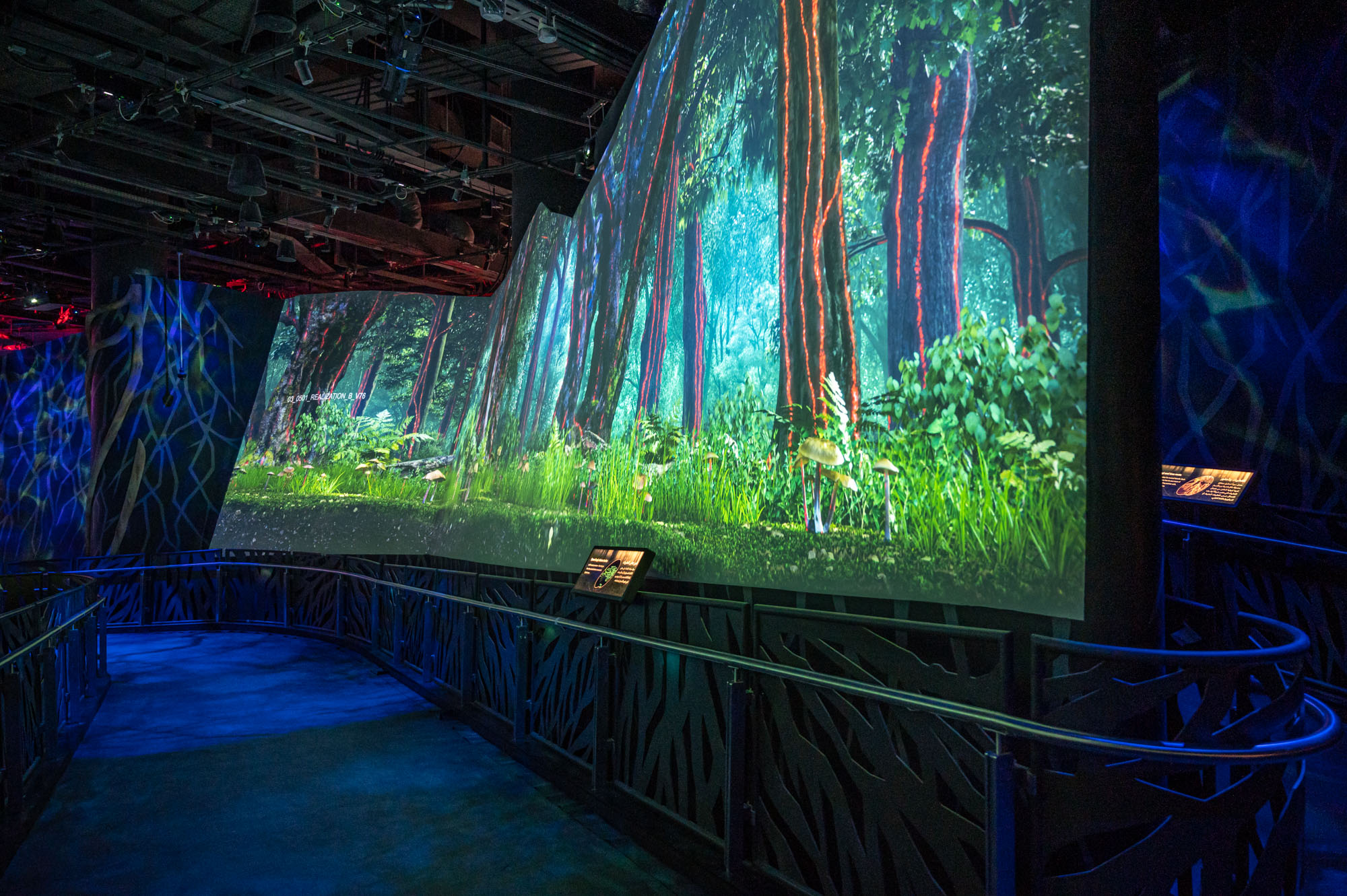
In the Under the Forest gallery, visitors descended into the heart of the structure along a two-tier ramp wrapped within a sprawling labyrinth of sculptural tree roots glowing with rhythmic pulses of light. Bringing this vision to life required engineering an organic, ten-metre-high sculpture that hugged the walkway as it wound downward.
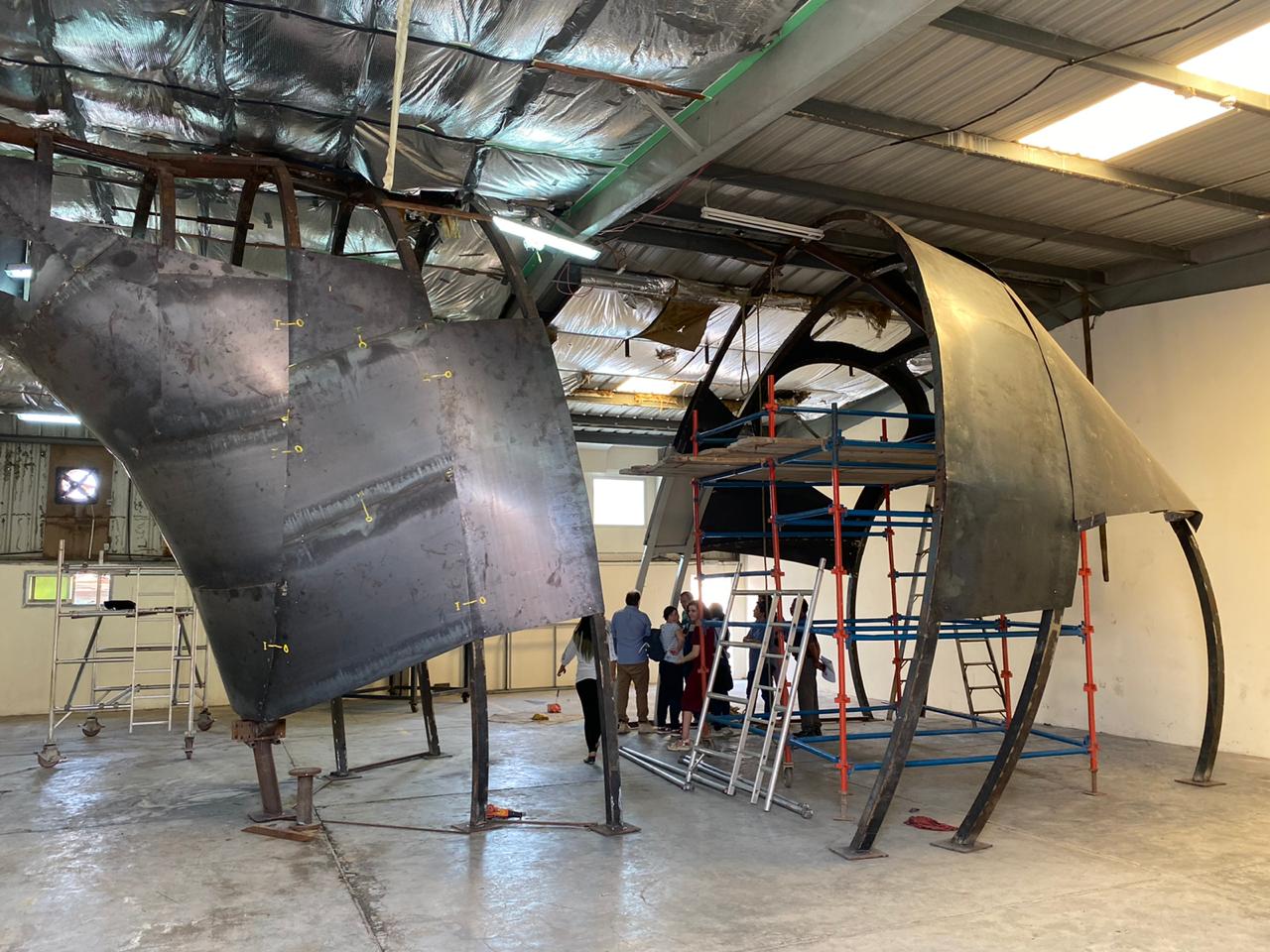
To overcome the structural hurdles, we engineered a central core finished with bespoke textured and translucent resin and fibreglass layers, fabricated entirely in Spain before being shipped to Dubai for its final installation.
In place within the pavilion, the sculpture enveloped visitors through its flowing lines and a complex matrix of integrated light points. A finely calibrated structural engineering solution bore the dynamic loads of the space while the lighting scheme conjured an ethereal interior mood. The result stands as proof of the technical discipline required to elevate an installation of this scale into a moment of genuine wonder that outshines the engineering beneath it.
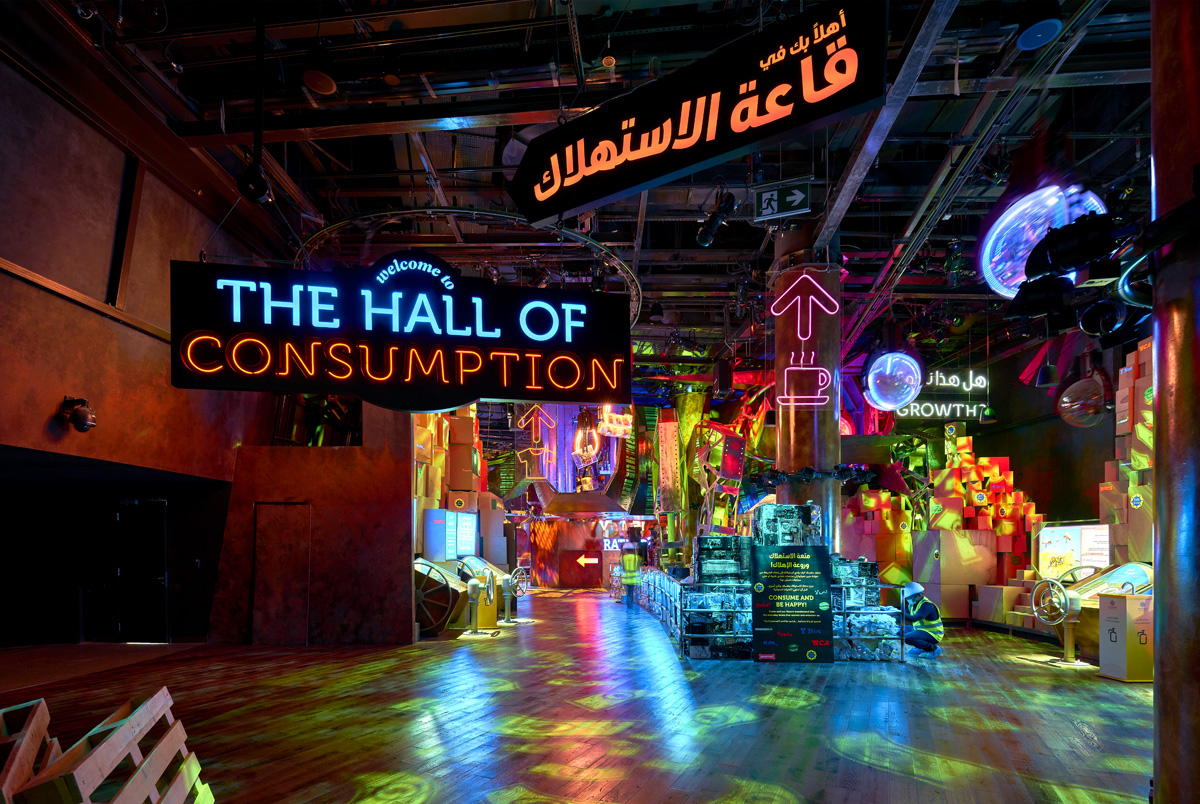
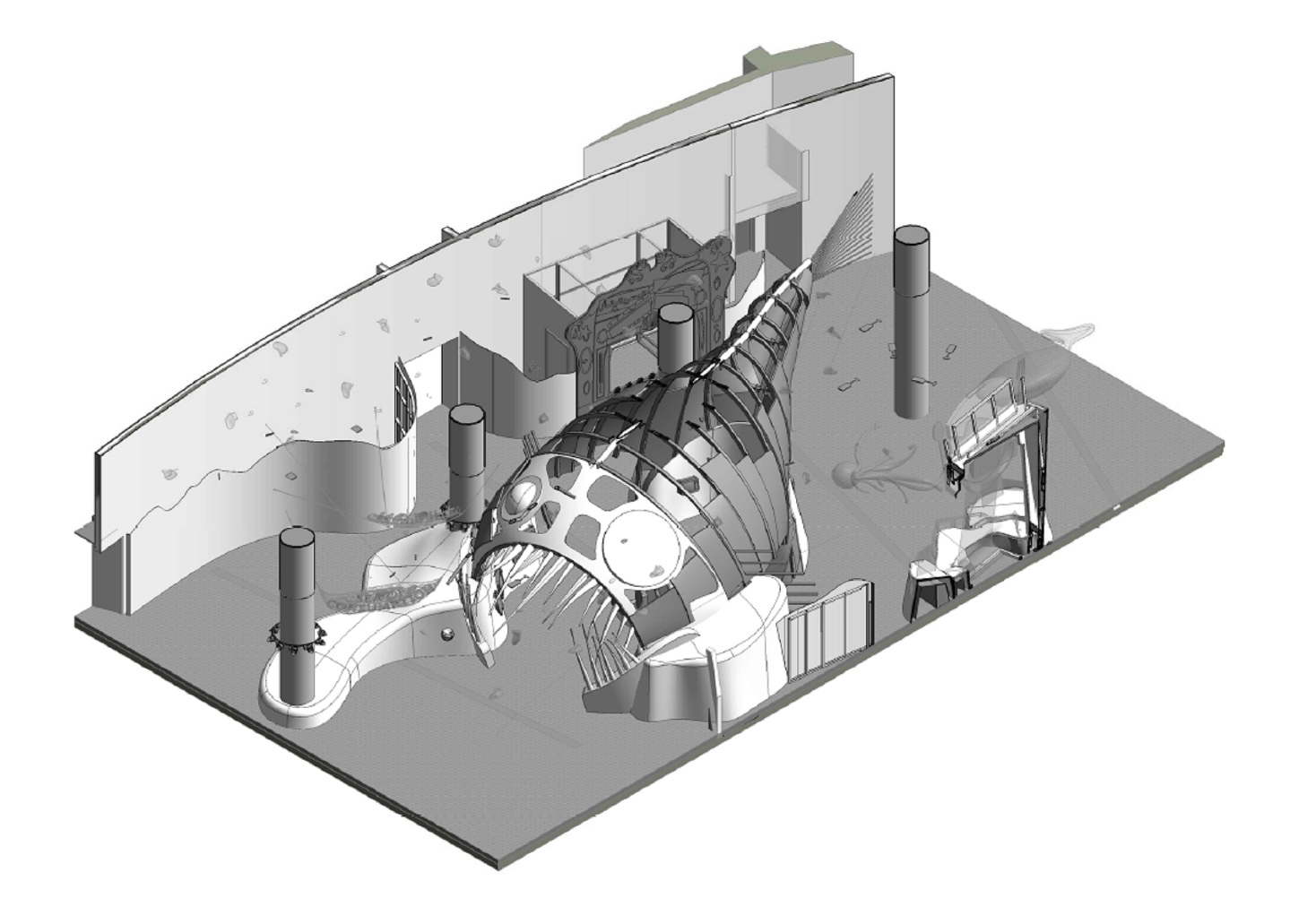
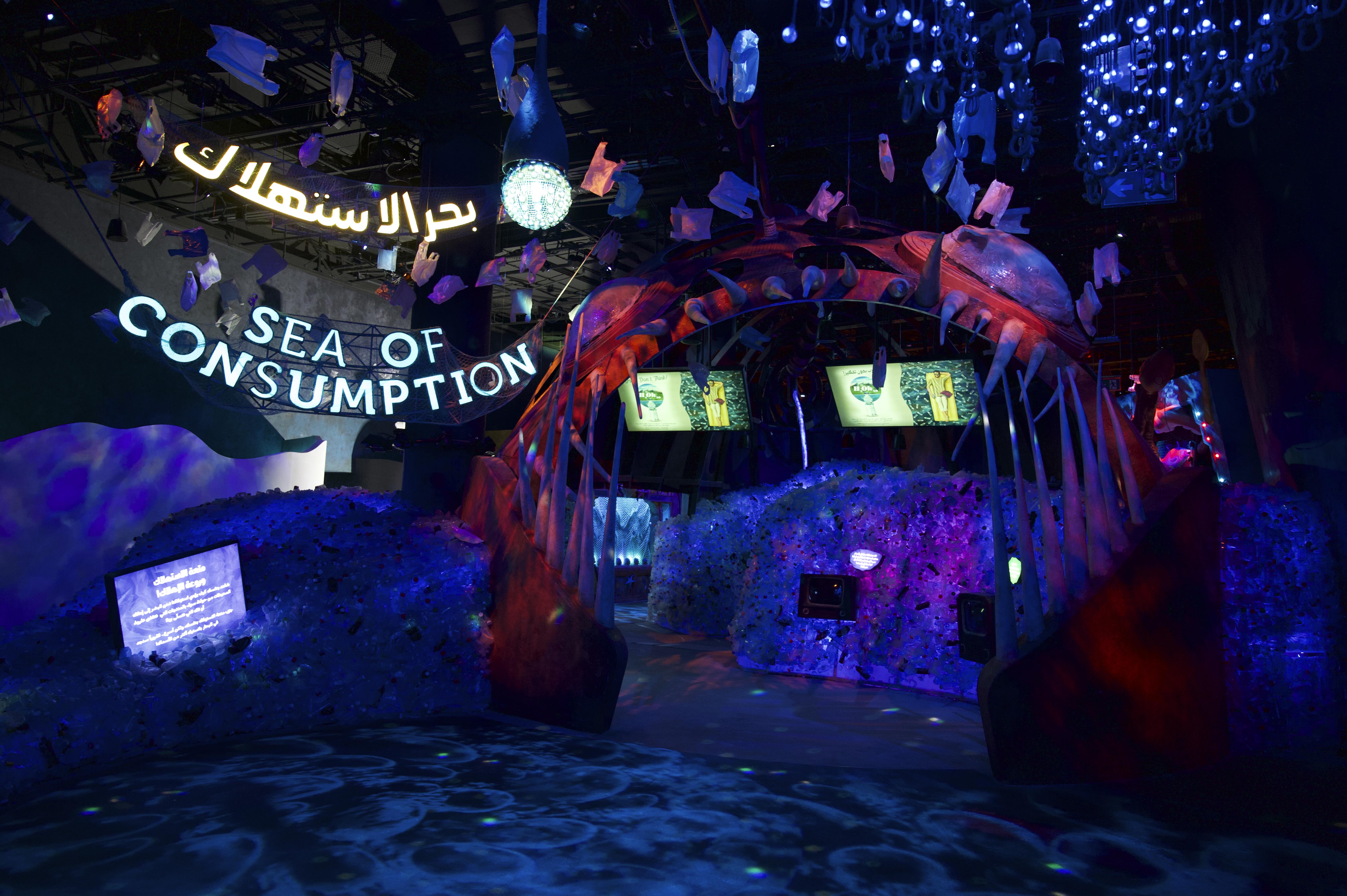
Another major installation built for the Hall of Consumption—into which the gallery led—was The Gnasher, a monumental fish designed to swallow natural microcosms and excrete manufactured goods as a metaphor for environmental pollution and single-use plastics. Alongside it, a visual display illustrated the resources required to produce an ordinary T-shirt or mobile phone, reinforcing the call for environmental awareness.
Visitors were invited to confront the environmental pressures shaping dry land or plunge into the marine realm within the Under the Ocean gallery.
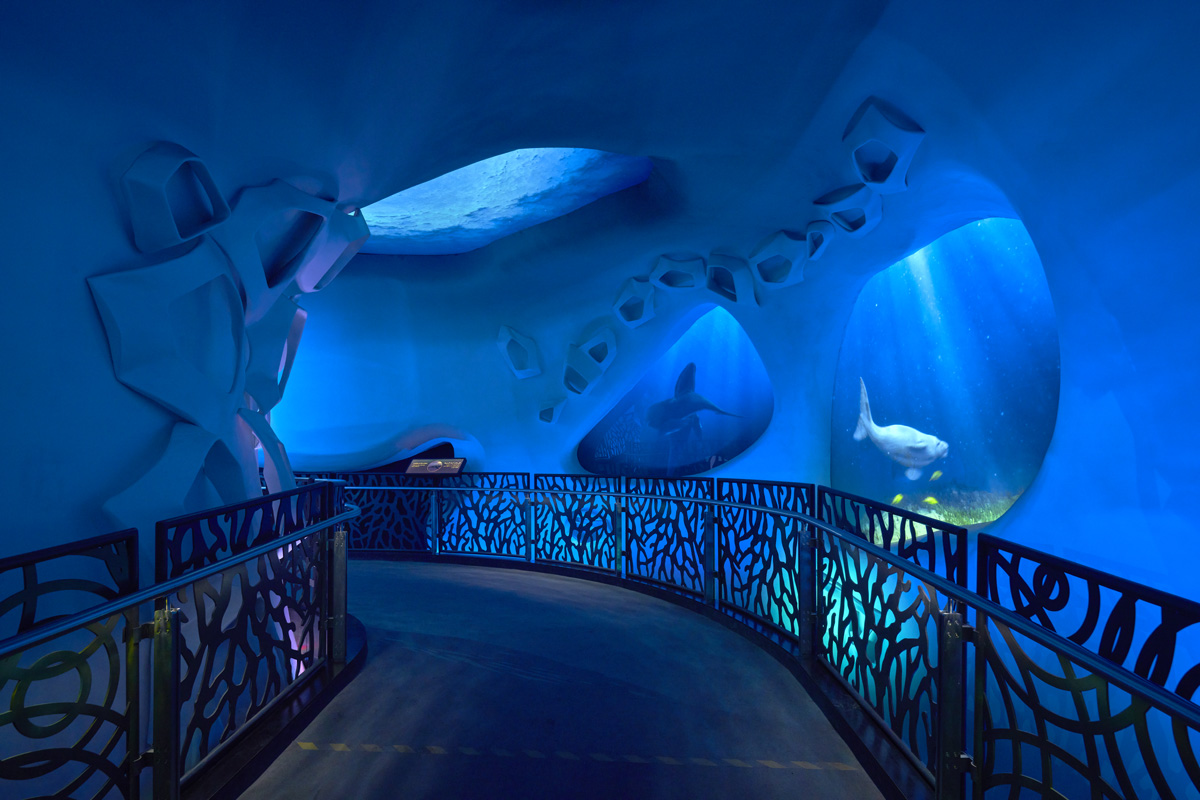
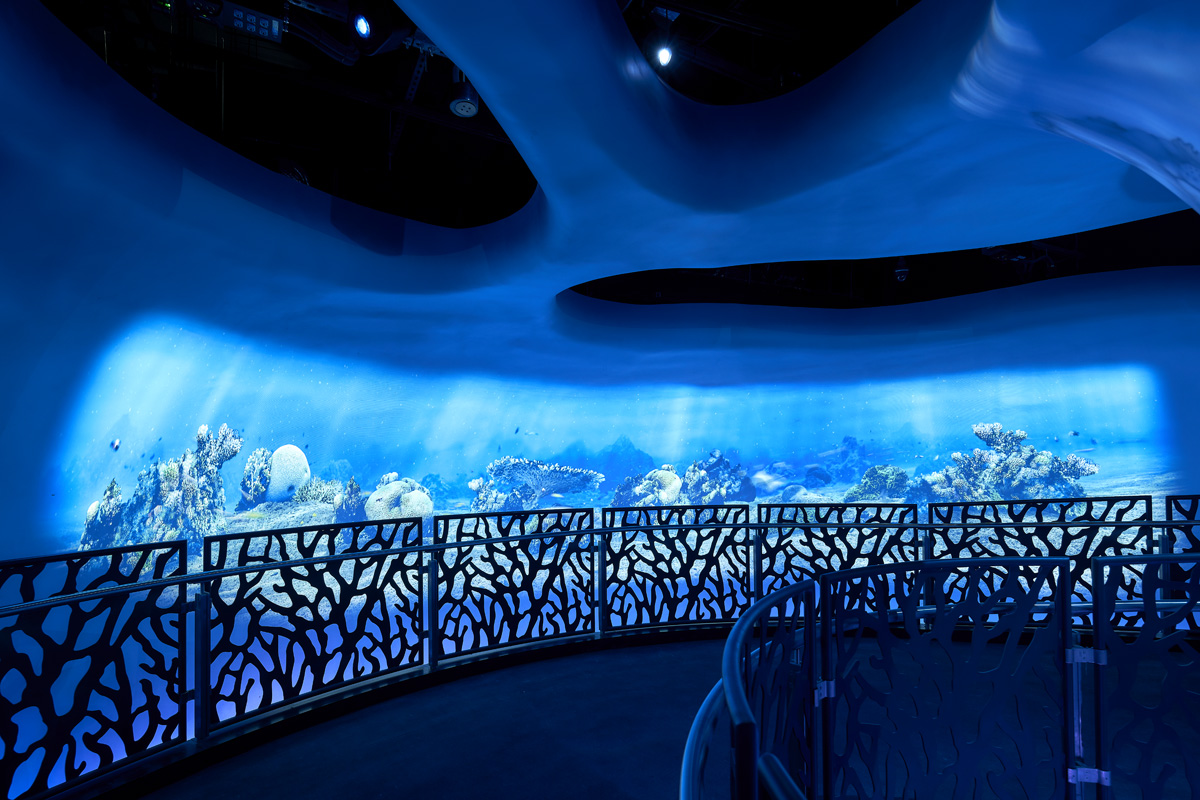
This second section took the form of an underwater tunnel flanked by front- and rear-projection screens, alongside a marine tank where jellyfish drifted weightlessly before the visitor.
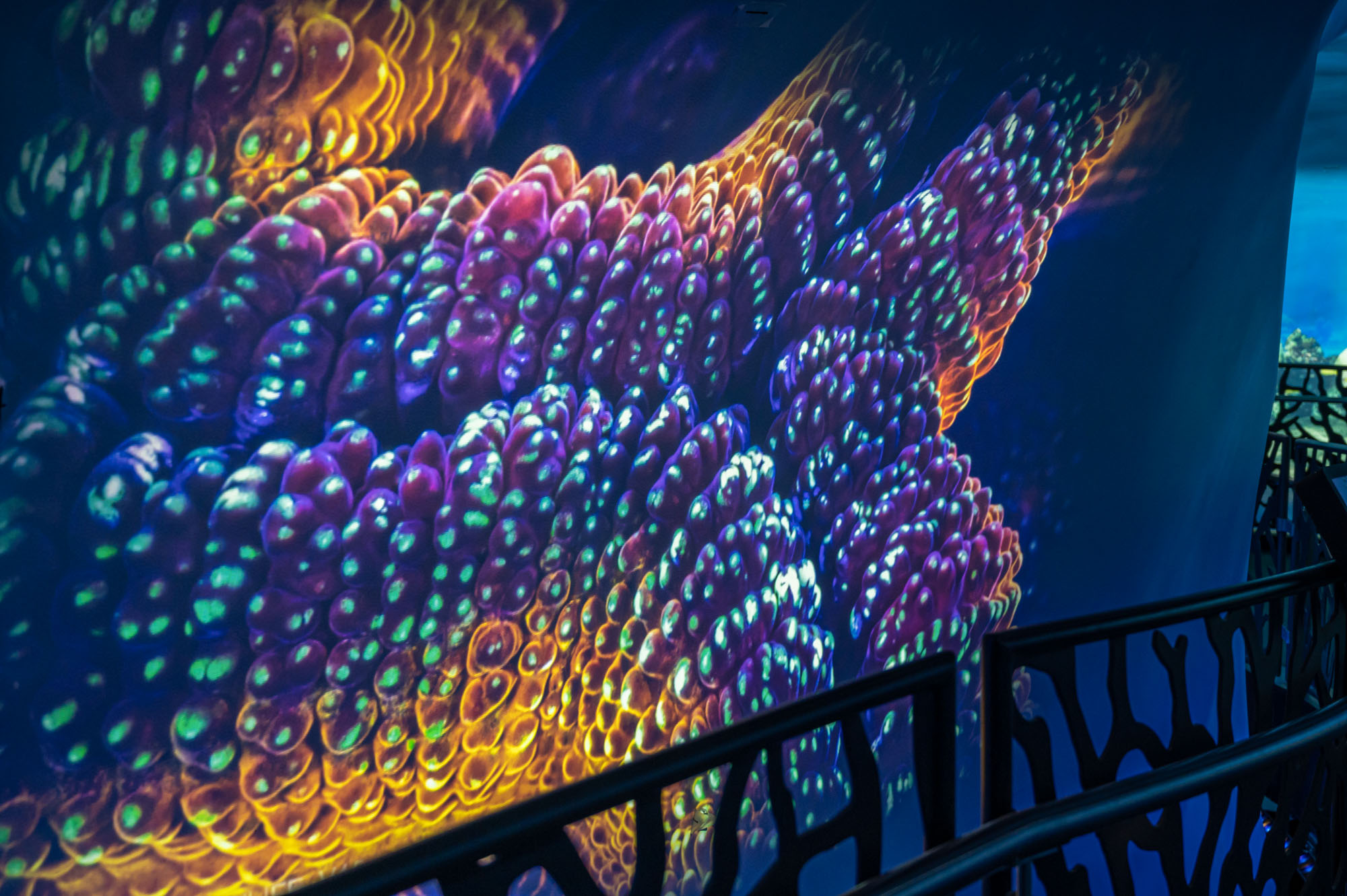
In the first case, oysters were illuminated through dynamic 3D projection mapping that recreated their pulsing movements, while in the second, we worked alongside a marine biologist to care for live moon jellyfish.
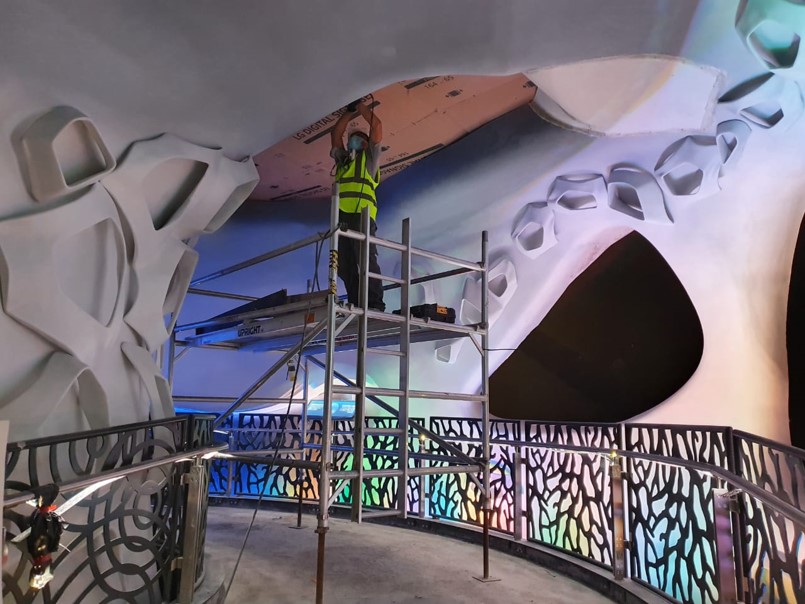
The journey was not without engineering pivots: during development, the tunnel’s finished ceiling height had to be lowered to make room for overhead building services, including air-conditioning and fire-suppression networks. That adjustment required a complete redesign of the tunnel’s arch, which in turn meant recalculating the optical projection throws and re-siting the jellyfish habitat.
At the conclusion of the ocean gallery, we brought into being the Infinity Room, one of the most demanding spatial environments in the entire building. The installation relied on a sequence of oversized mirrors, alternating between complete reflection and fifty per cent semi-transparency, which had to be aligned with overhead lighting to absolute tolerances so that reflections repeated into endless distance. The inclusion of semi-translucent glass deepened this disorienting, boundless sensation at several stages of the walk.
Installation called for equal parts delicacy and mechanical precision; not just to hit the optical sweet spot, but to protect the immense, fragile panels during transit across hundreds of kilometres from the Emirate of Ras Al Khaimah.
Through their interaction with these environments—some built at large physical scale, others crafted out of pure light and code—visitors entered into an active dialogue with the space, coming away with a direct appreciation of the ecological crises bearing down on our world.
Often, an ambitious technical undertaking of this kind is the most persuasive medium we have to spark public reflection on the changes transforming our planet and the inheritance we leave to those who follow.
The parallel journeys through forest and sea culminated in a deep realisation: our species still holds the power to steer a different course.
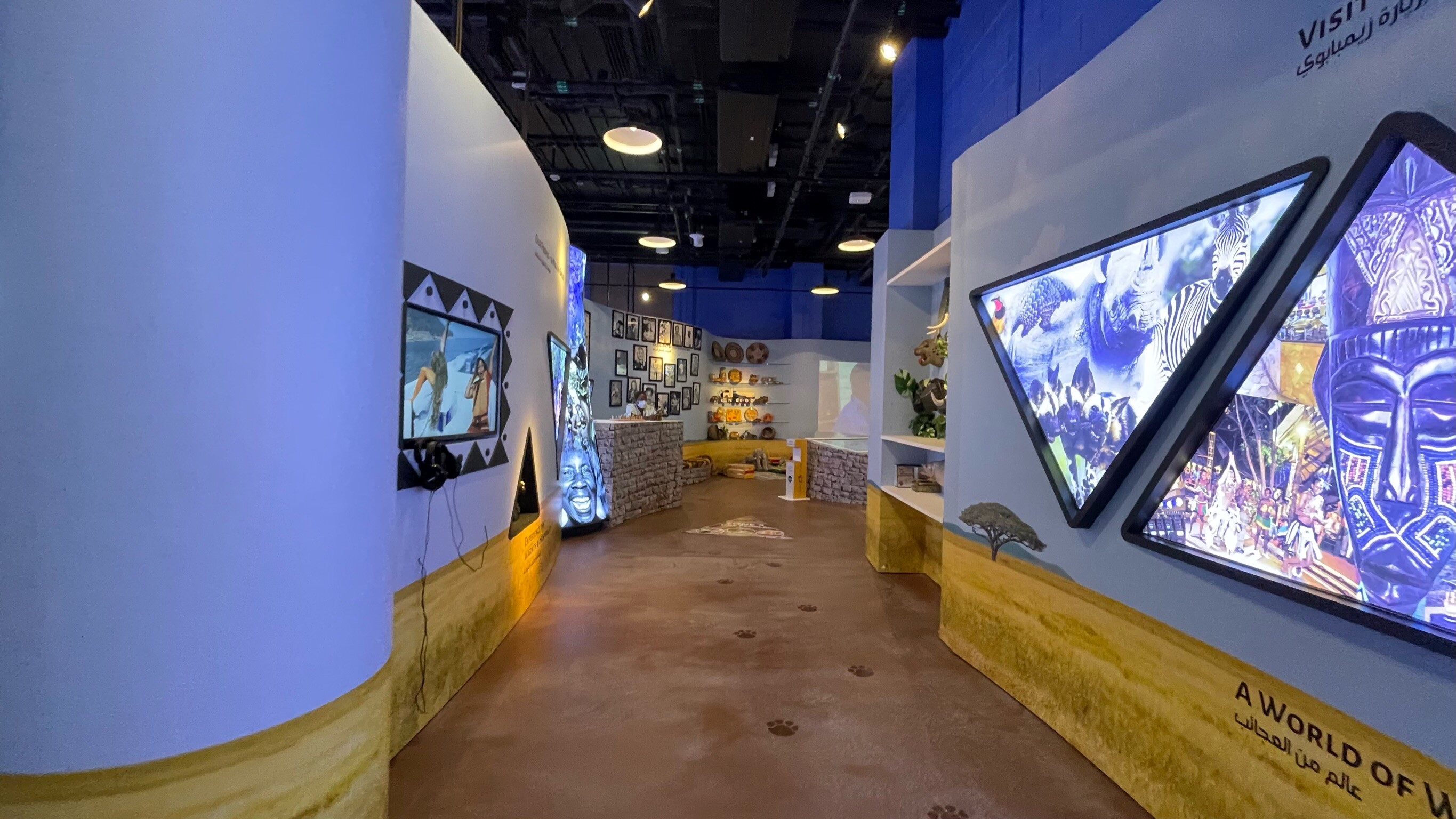
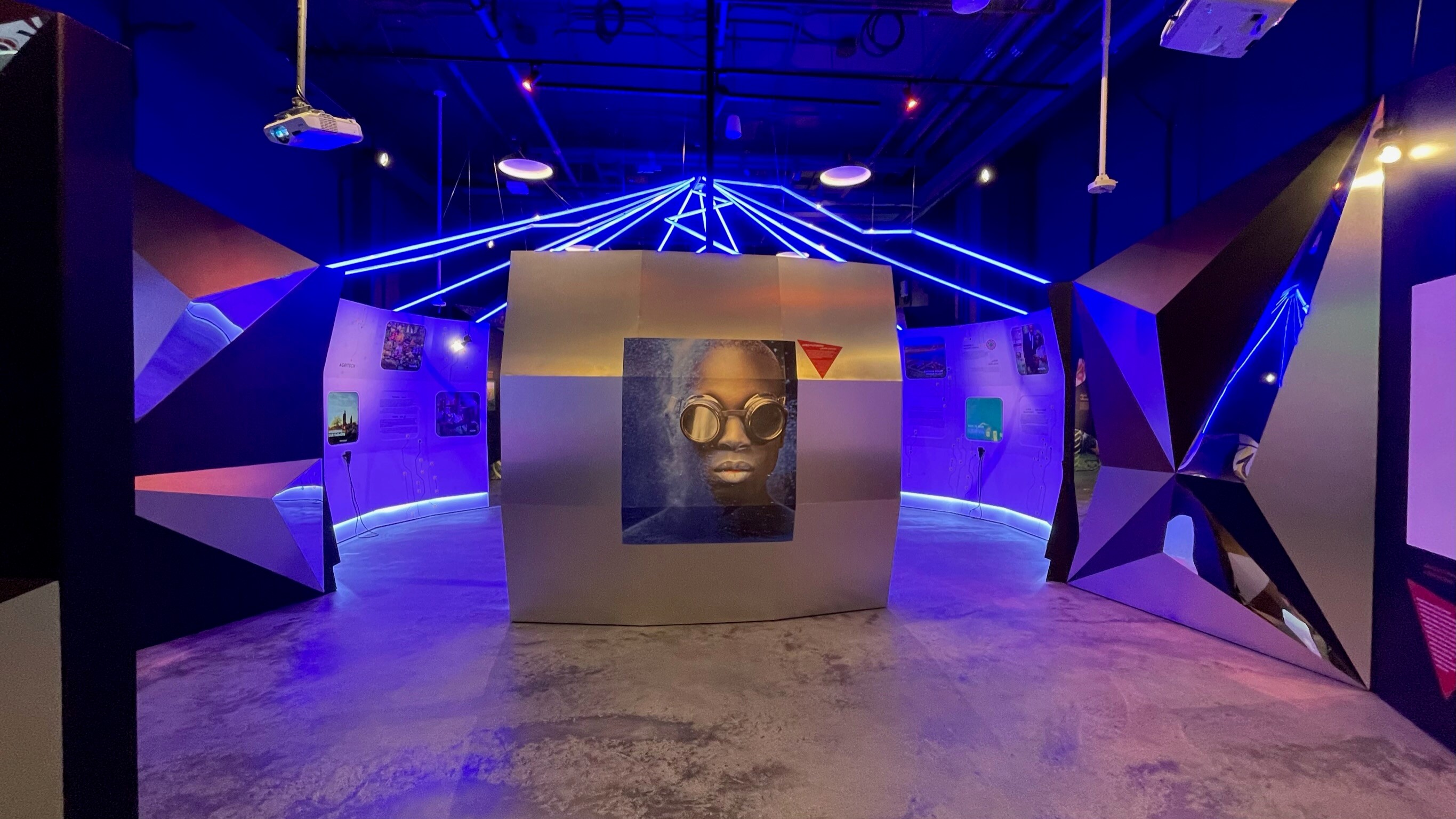
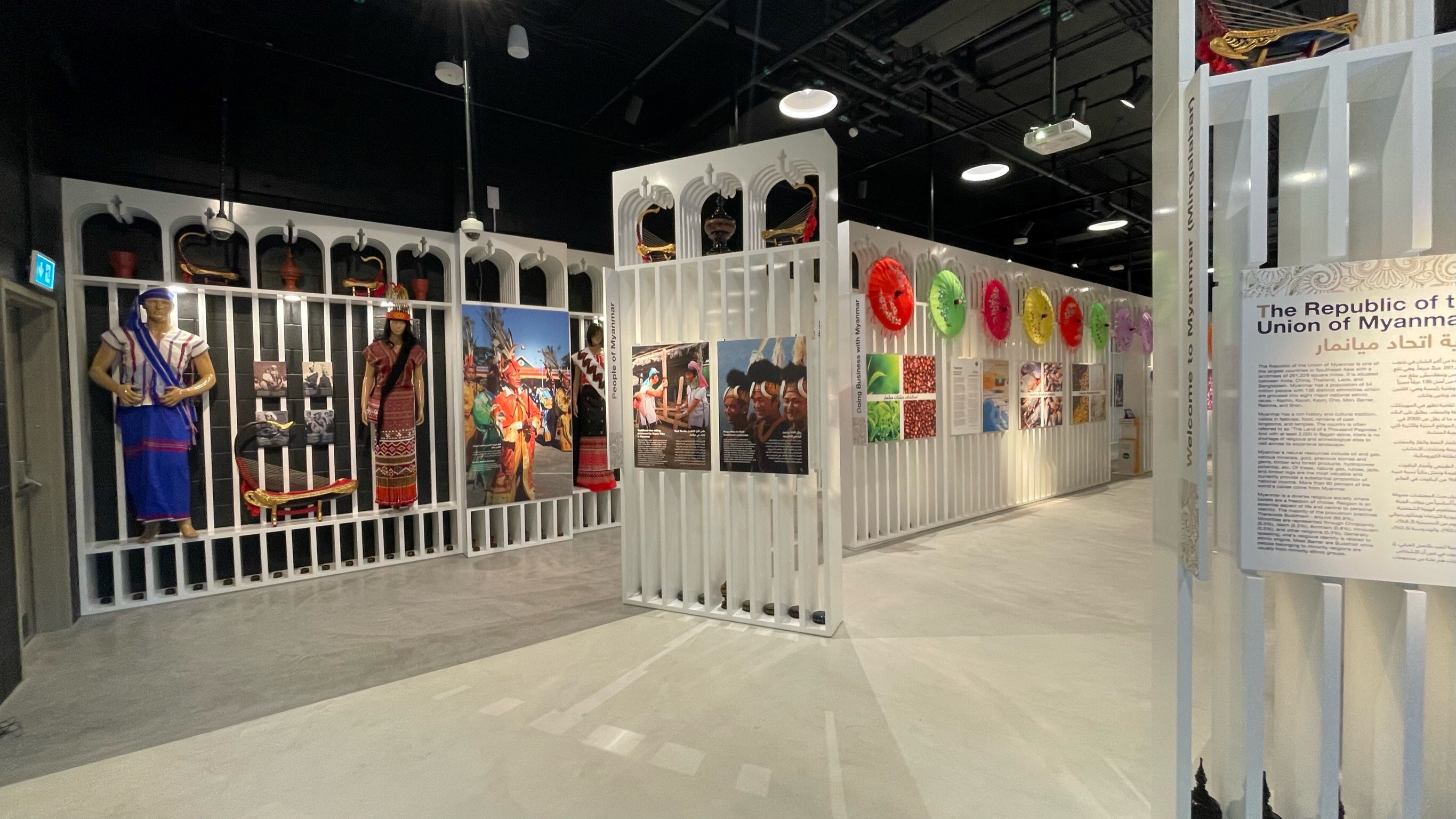
As noted at the outset, our role reached well beyond the walls of the Terra pavilion. Specifically, ACCIONA Cultura undertook the turnkey delivery—spanning interior architecture, scenography, interpretive graphics, and audiovisual systems—of 46 thematic district pavilions designed to prioritise social inclusion and capital efficiency.
Some were based on adaptable, functional schemes, while others featured bespoke designs prioritising resource efficiency. In doing so, the project ensured an equitable international presence, providing diverse nations with global visibility without demanding massive capital investment.
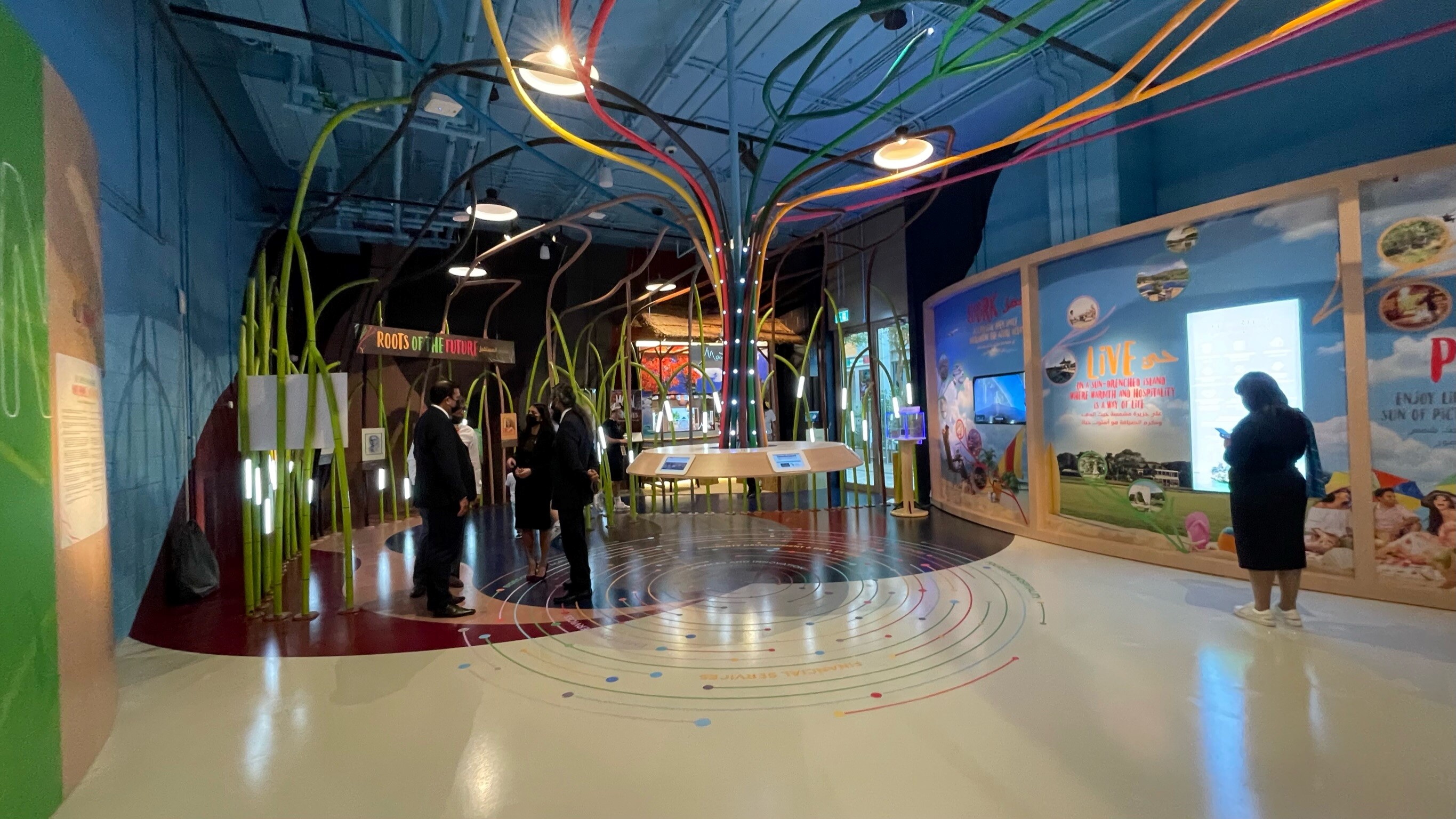
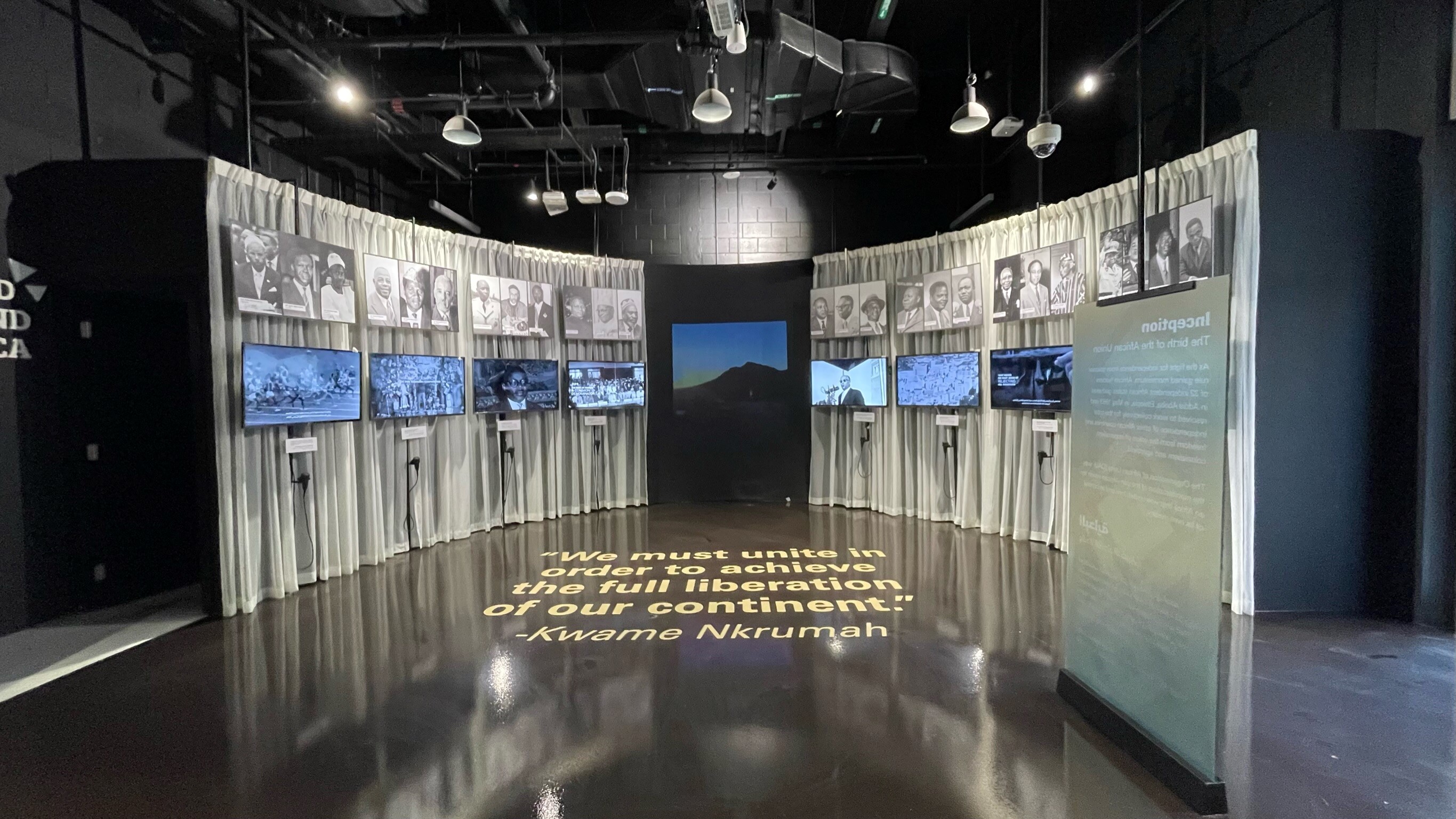
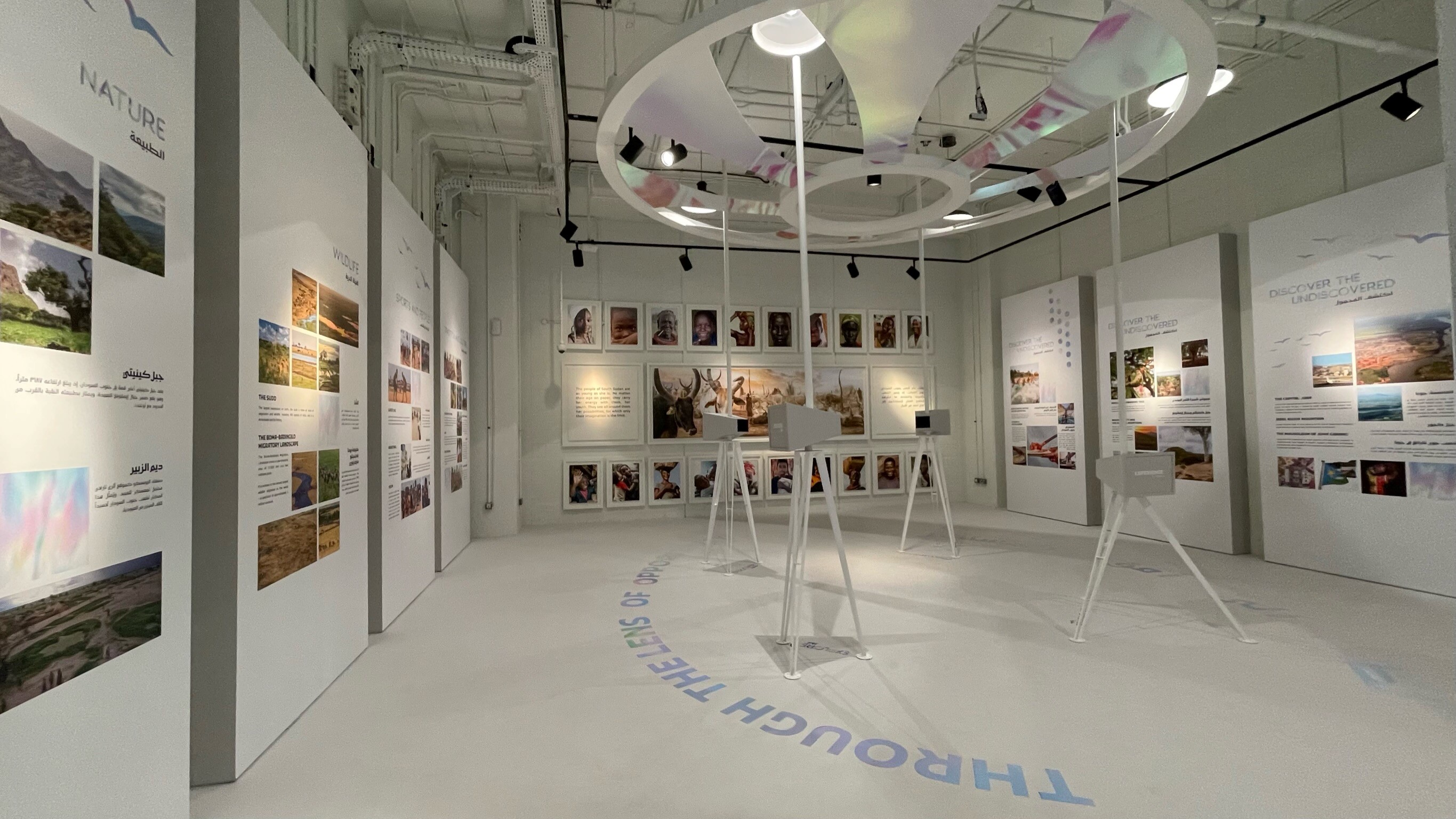
Delivering a build of this scale at Expo 2020 Dubai would have been a demanding undertaking under normal circumstances. Carrying it out while navigating severed global supply chains and sudden border closures amid an unfolding pandemic tested our site operations to the limit. In spite of those headwinds—and the postponement of the wider expo to late 2021—the Sustainability pavilion was the very first major permanent building across the site to reach completion, handing over as early as January of that year. Crucially, the momentum of the build was maintained without ever cutting corners on site safety or compromising on architectural finish.
When we took on the challenge of realizing our work for Dubai, we understood that technical precision and rigorous programme control were essential, but we also recognized that our work had to outlive the temporary lifespan of the expo itself. The host country intended from the beginning to repurpose the pavilion into a permanent Science Centre with an enduring public educational mission; its layout and material choices were selected for long-term permanence. Today, it welcomes thousands of visitors each year, continuing to spark curiosity through the permanent installations engineered by our team.
Expo 2020 Dubai remains a benchmark of ACCIONA Cultura’s mastery of turnkey cultural production and narrative architecture, proving our ability to steer large-scale, end-to-end commissions on demanding timescales. That capability sits naturally alongside ACCIONA’s portfolio of monumental infrastructure across the Arabian Gulf, exemplified by landmark assets such as the Jebel Ali desalination plant built within Dubai itself.
World expos have served as an enduring creative catalyst for ACCIONA Cultura ever since our formative involvement at Expo ’92 in Seville. Seen through that lens, Expo 2020 Dubai forms a defining chapter in an ongoing story shaped by continuous evolution: from early large-format projections to today’s multi-sensory digital worlds. But that, as Kipling famously observed, is another story.
NEXT IN Summit is the forum driven by ACCIONA Cultura that gathers international cultural leaders to share experiences, debate ideas, and analyse the challenges that will define the future of the cultural industry.