
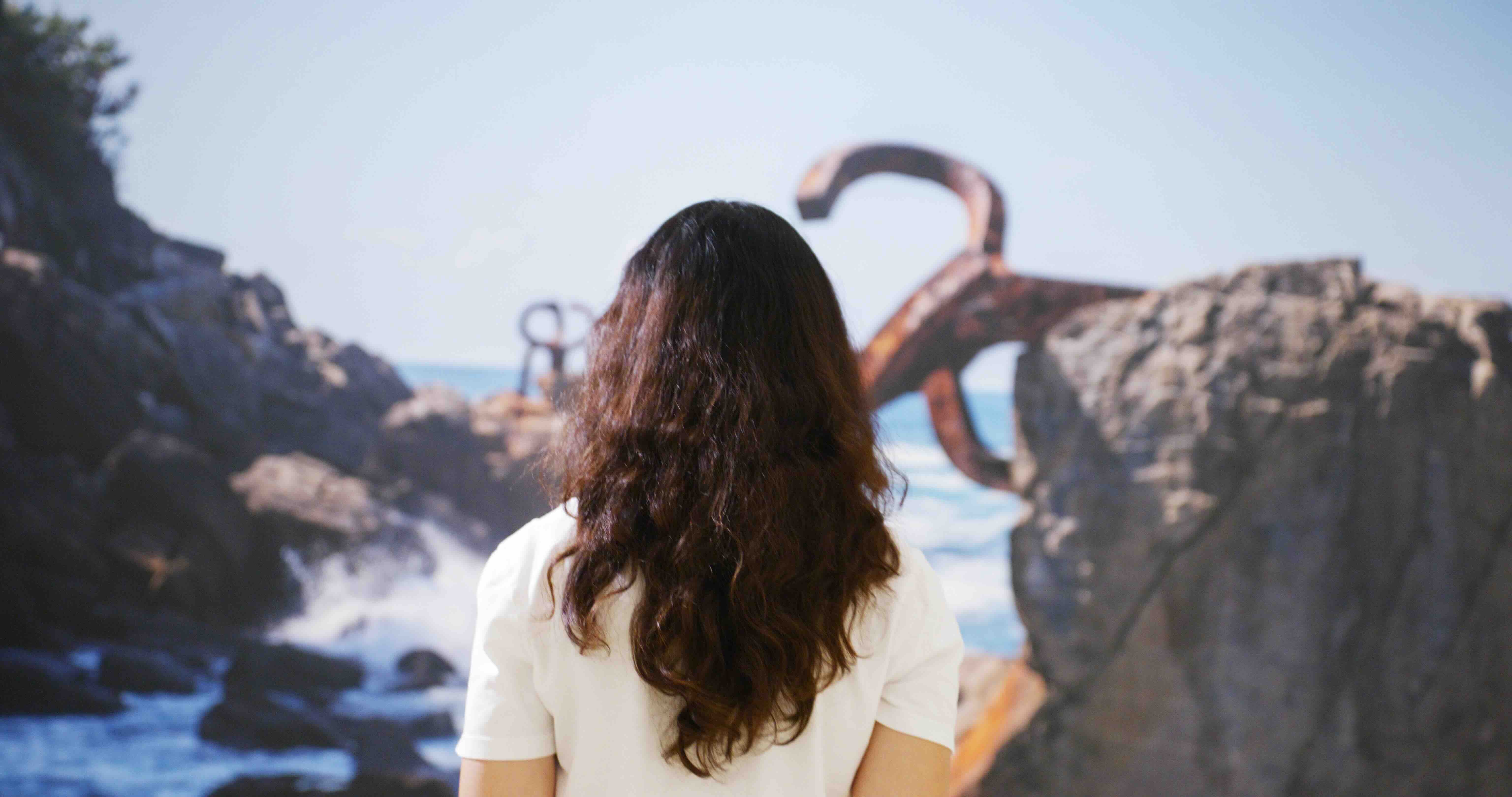
High atop Mount Igueldo, grand windows frame the view of the Cantabrian Sea like a canvas. At times, the sea breaks fiercely against the cliffs; at others, it laps gently against them. This is the family home of Eduardo Chillida, overlooking Ondarreta Beach in the city of San Sebastián, where the artist would conceive one of his most memorable works: The Comb of the Wind. This intersection of sculpture and the natural elements features ten-ton steel pieces nested among the rocks on the beach, where they have become one of the city's defining landmarks.
Can someone thousands of miles away, in a San Diego museum in the US, truly connect with that aesthetic emotion? Can they sense anything of the artist’s biographical space—the scent and light of the sea, the sound of the waves, and the energy of the wind? That was the goal behind one of the experiences we designed at ACCIONA Cultura for The San Diego Museum of Art: a way to contextualise the work and connect it with visitors during an exhibition dedicated to the Basque sculptor.
In this feature article, we show you how visitors at an American museum can transport themselves for a moment to the rugged landscape of Eduardo Chillida’s The Comb of the Wind in San Sebastián. We also look at how an installation allows visitors to immerse themselves in the universe of Keith Haring and explore the meaning of self-portraiture, and how they can dive into the tireless creativity of David Hockney and his landscapes. If you want to know how we achieved this, we explain it all in this text about the experiences we designed for The San Diego Museum of Art.
Since 2022, the Californian museum has been undergoing a process of renovation and expansion. This is architectural, certainly, with a new wing, but it also extends to the exhibition spaces, thanks in part to the contribution of ACCIONA Cultura in terms of technology, accessibility, and sustainability.
Consequently, one of our first points of contact with the museum was producing an accessibility report. This work allowed us to identify and address some of the main challenges of the space, from outdoor access to specific areas along the exhibition route where the experience was not always comfortable or inclusive for all visitors.
Welcoming and engaging the public meant breaking down barriers for people with disabilities on one hand and bringing art closer to younger generations on the other. At this crossroads of accessibility and innovation, the three interactive experiences we designed over recent years were born.
The most recent example of ACCIONA Cultura’s work at The San Diego Museum of Art was the retrospective dedicated to Basque sculptor Eduardo Chillida, reflecting the museum's close connection with Spanish art. Part of the exhibition aimed to showcase the artist's interplay between matter and void through his sculptures, but the project also sought to help the public understand the context behind his works—particularly his most iconic piece, The Comb of the Wind.
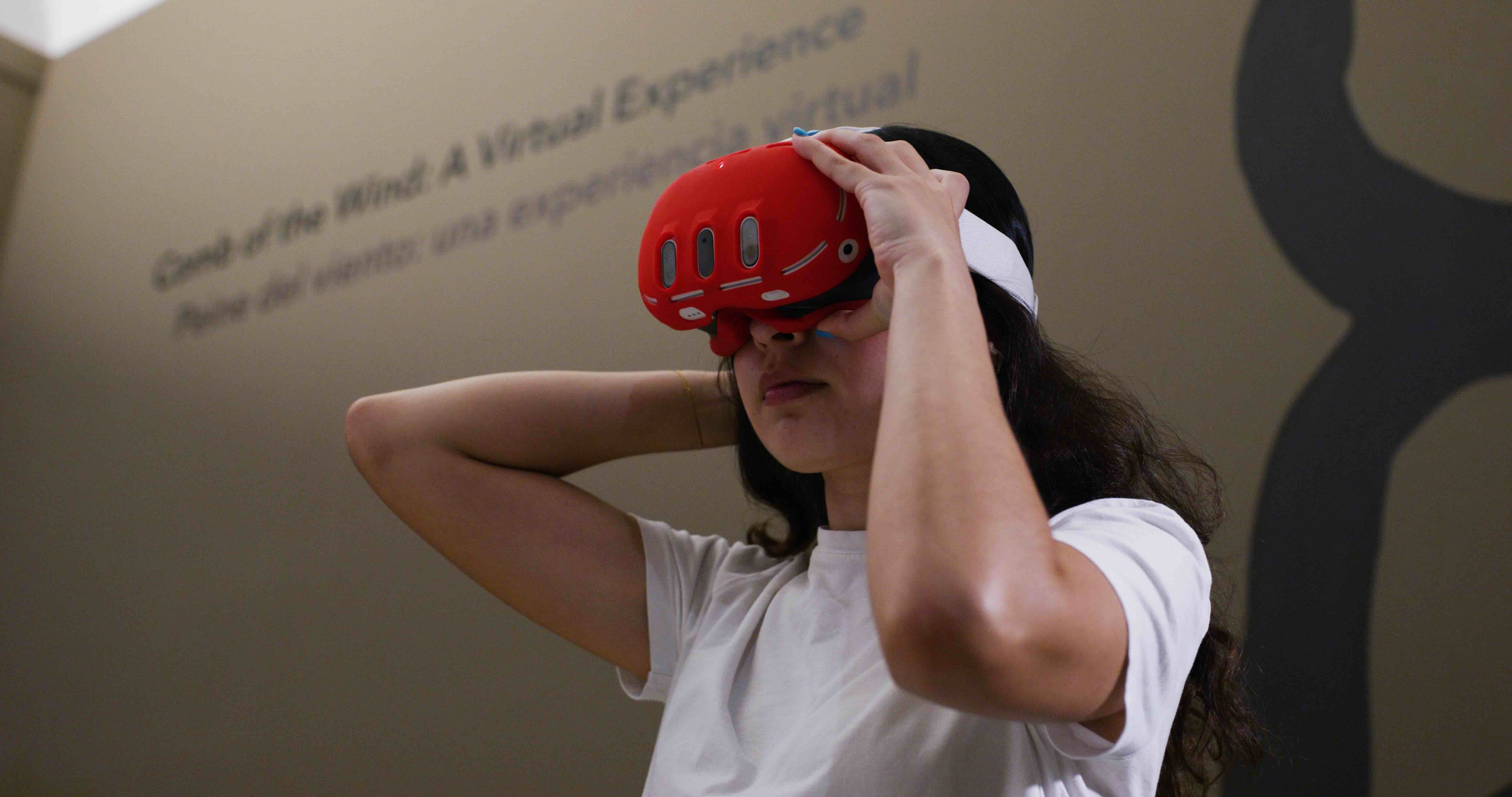
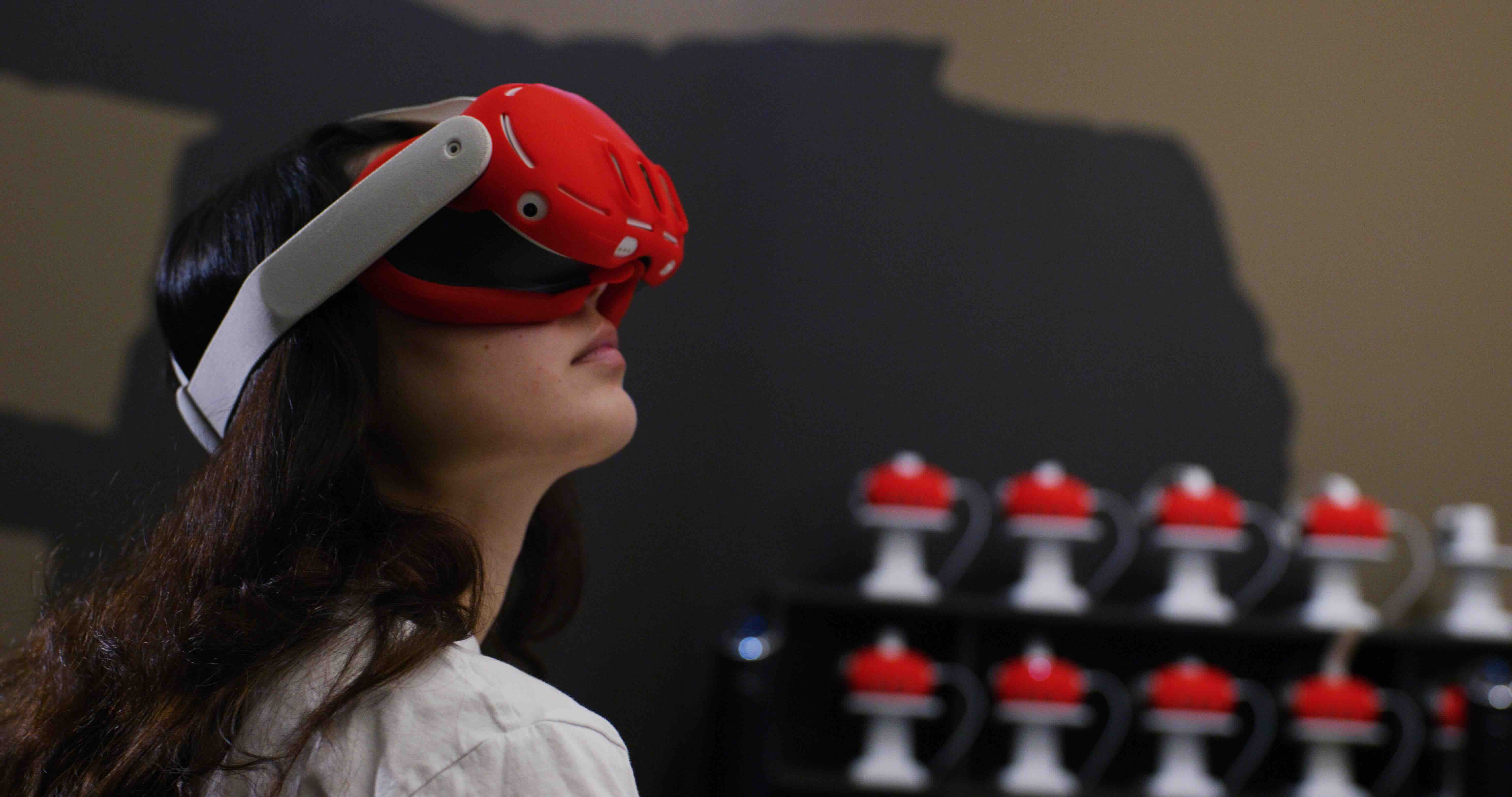
The experience, enjoyed using virtual reality headsets, is enhanced by ventilation systems and maritime scents that transport users to a day on the bay in San Sebastián.
A total of 9,336 kilometres separate San Diego from the three steel sculptures that engage in a dialogue with the waves, the salt, and the quiet erosion of time. How do you transfer the experience of a visitor walking along a beach into an American museum space? We decided to do it through a virtual, multi-sensory experience, which we brought to life after speaking with the artist's family to find the clearest possible perspective.
Then came the on-site work, recording a journey through the three pieces using a 360-degree camera, capturing the changing textures of the ground in a video that reveals the rust and raw materiality of the sculptures. Alongside this visual component, we captured the ambient surroundings using three-dimensional audio. The experience, enjoyed using virtual reality headsets, is enhanced by ventilation systems and maritime scents that transport users to a day on the bay in San Sebastián.
Beyond the digital components, the experience was designed around physical elements, such as chairs inspired by Chillida’s art where the public can sit, and geometric openings in the floor that replicate the crashing sea spray the artist sought in the original work. The entire installation transcends technical achievement, connecting visitors with the city, the neighbourhood, and Chillida’s home—his creative and vital space. For this reason, the installation was named Convergence.
The entire installation transcends technical achievement, connecting visitors with the city, the neighbourhood, and Chillida’s home—his creative and vital space.
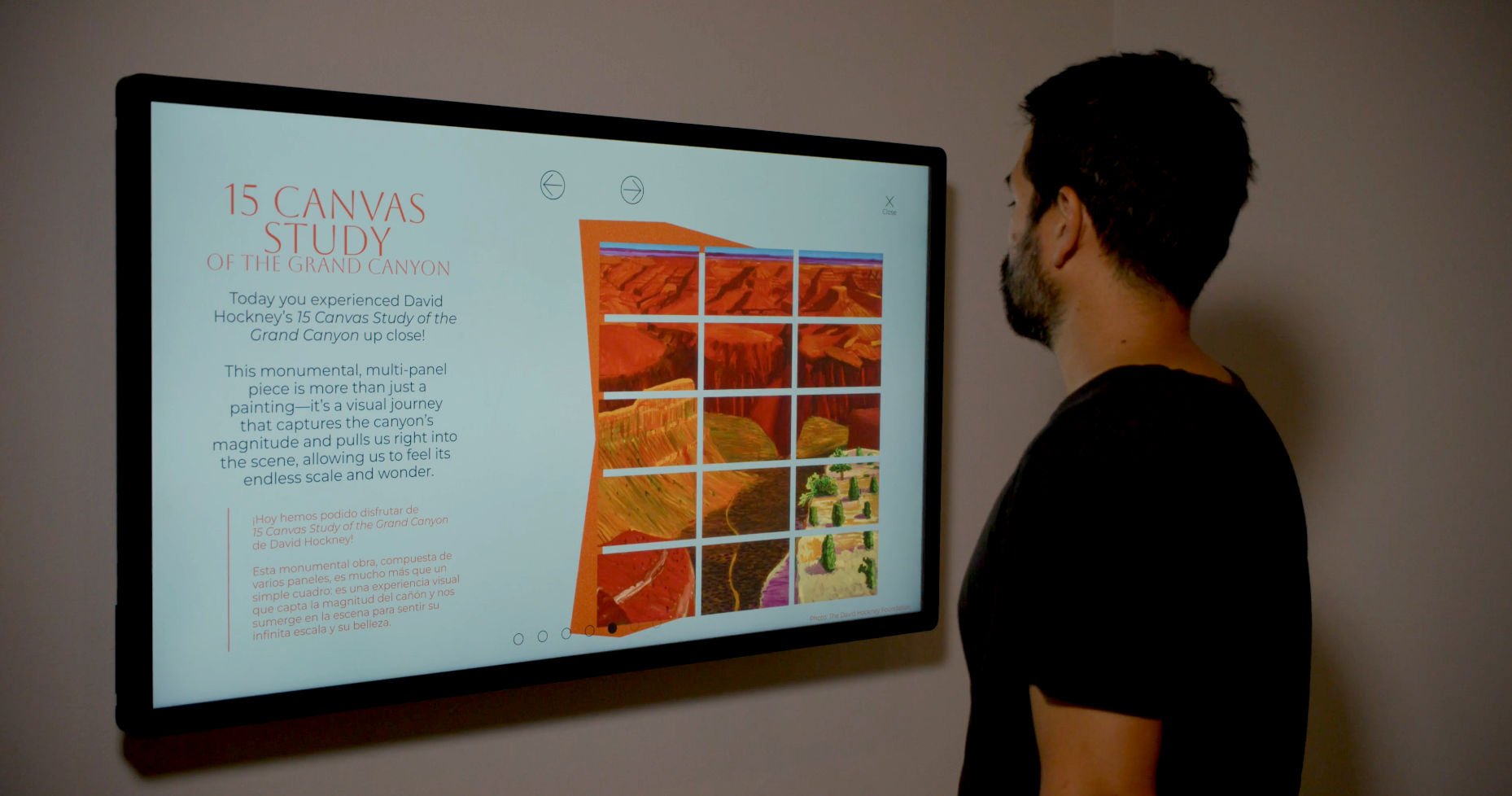
David Hockney’s iPad creations are widely celebrated. A prolific artist and a self-confessed technophile, he did not hesitate to digitalise his creative process as soon as the tools became available, making him an ideal choice for our next experience. Because the museum was set to host a Hockney landscape as part of a temporary exhibition, we decided to contextualise it with an interactive touchscreen tour explaining his biography, his painting technique, and the types of tools he uses to capture the celebration of light and colour found in his paintings.
An interactive touchscreen tour explaining his biography, his painting technique, and the types of tools he uses to capture the celebration of light and colour found in his paintings.
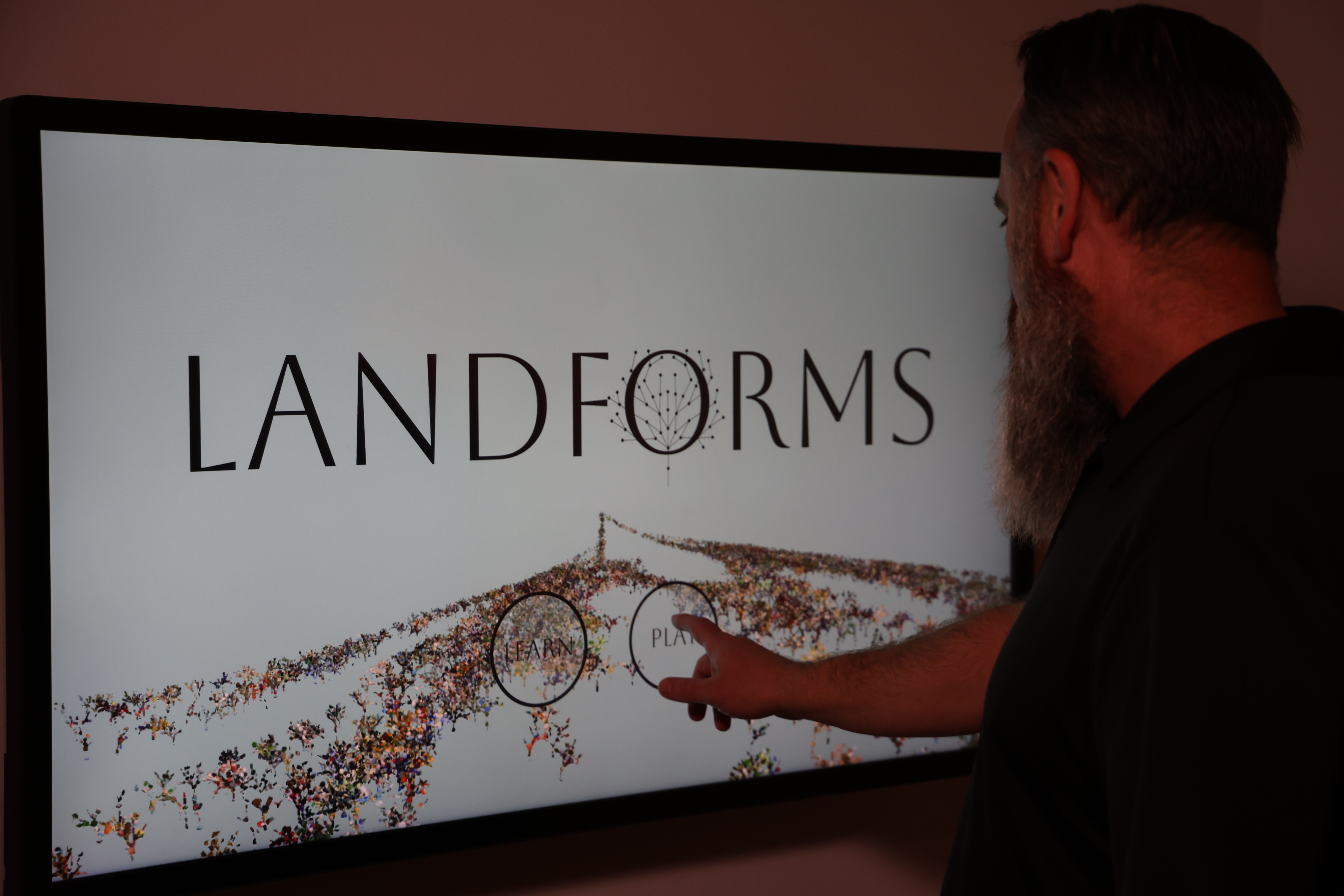
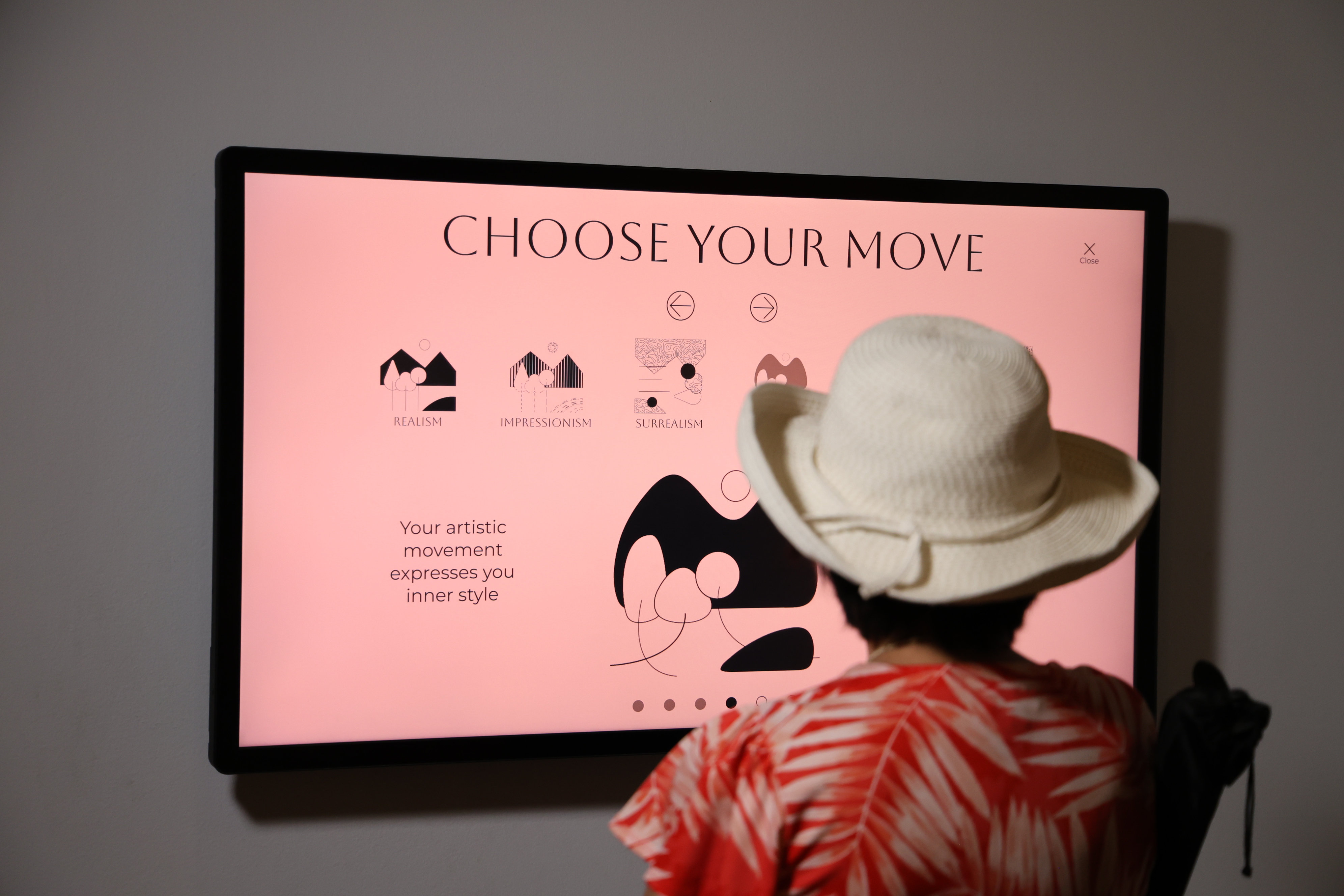
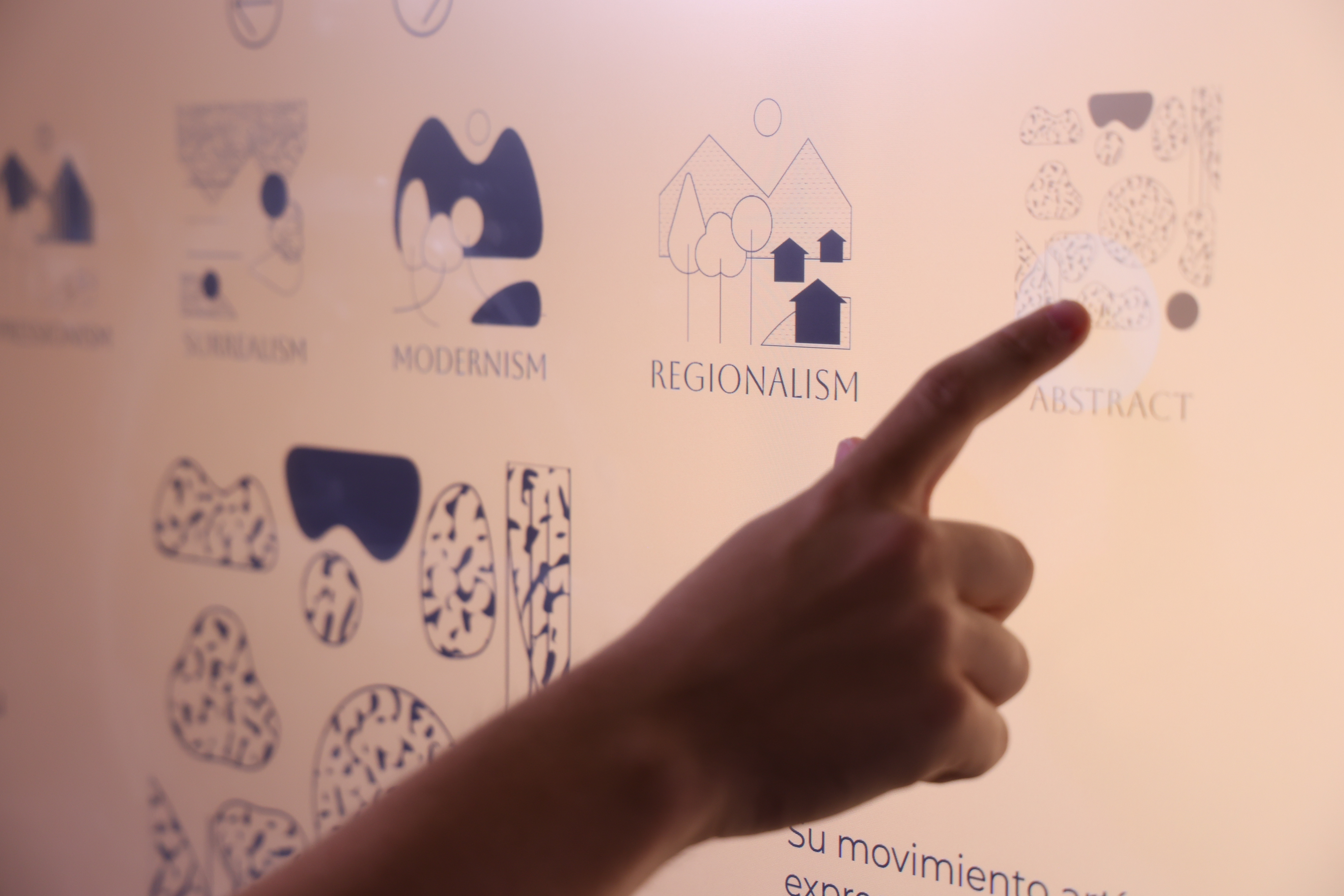
This understanding of Hockney’s approach to landscapes can then be put into practice through an artificial intelligence tool developed in collaboration with the ACCIONA Digital Hub. This tool draws on textures and shapes within the museum’s collection, allowing visitors to generate their own landscapes. Ultimately, this contribution becomes part of a collective digital landscape created by all users.
A way to transform a museum visit into a collective celebration anchored in the present, transcending physical and generational limits.
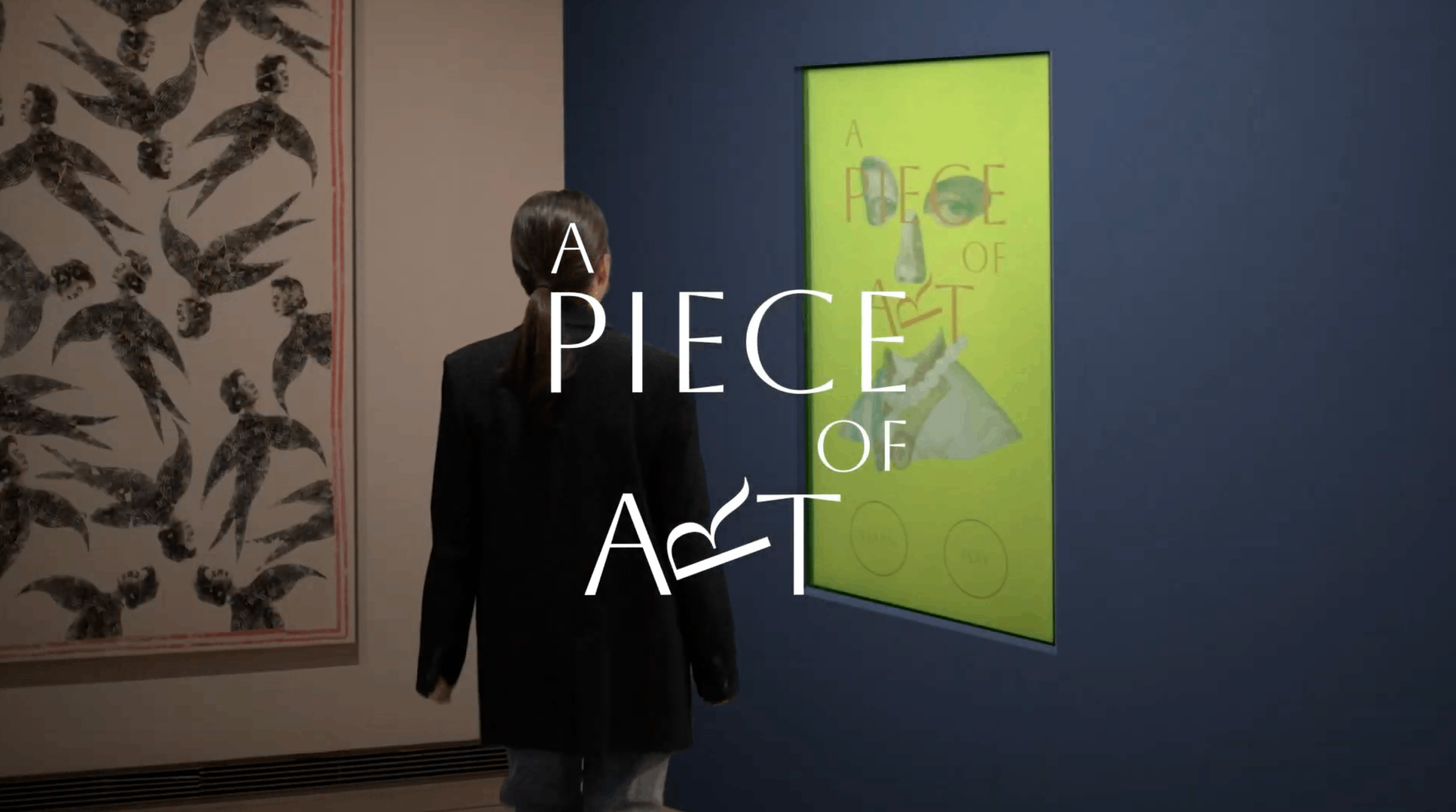
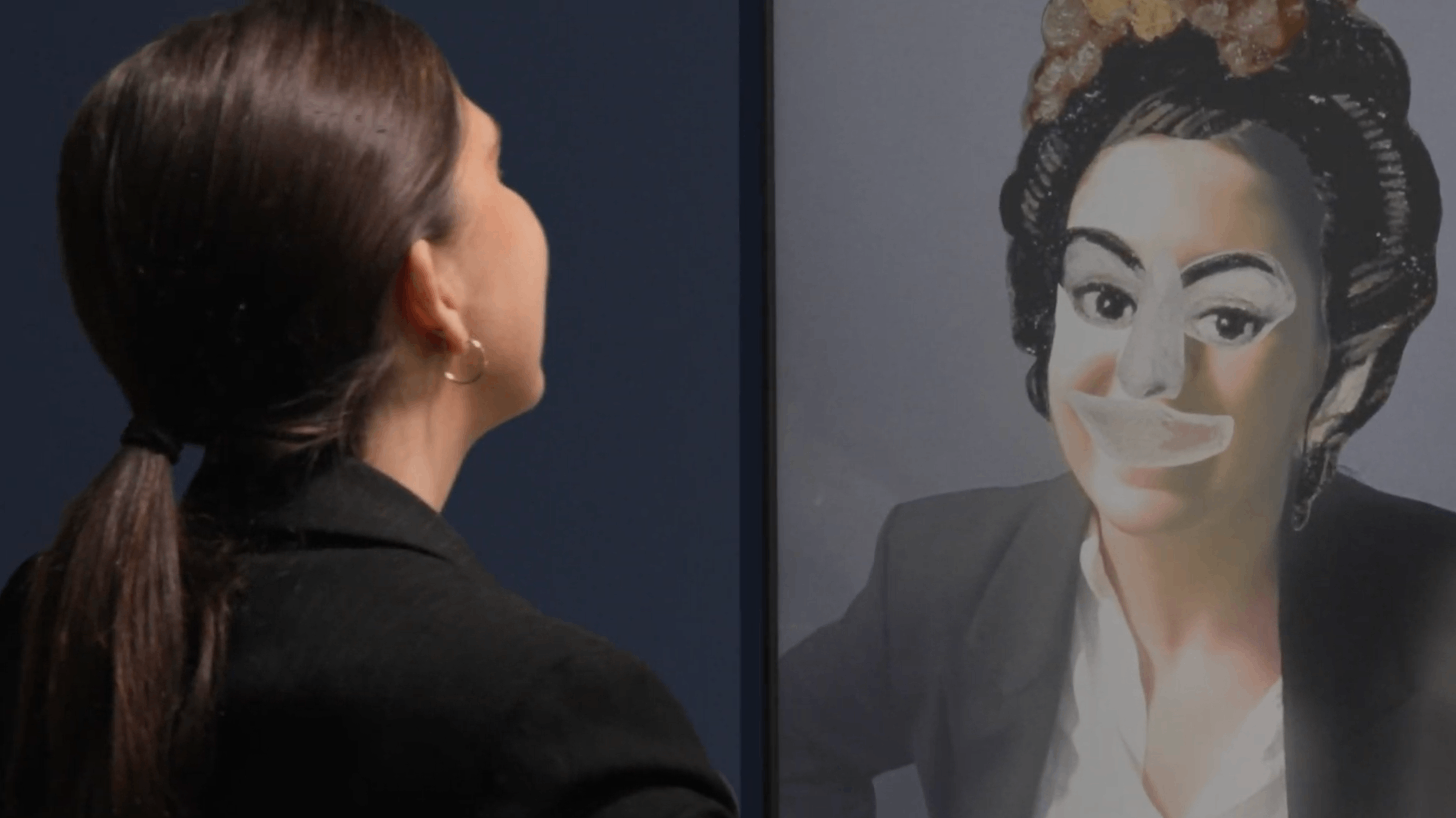
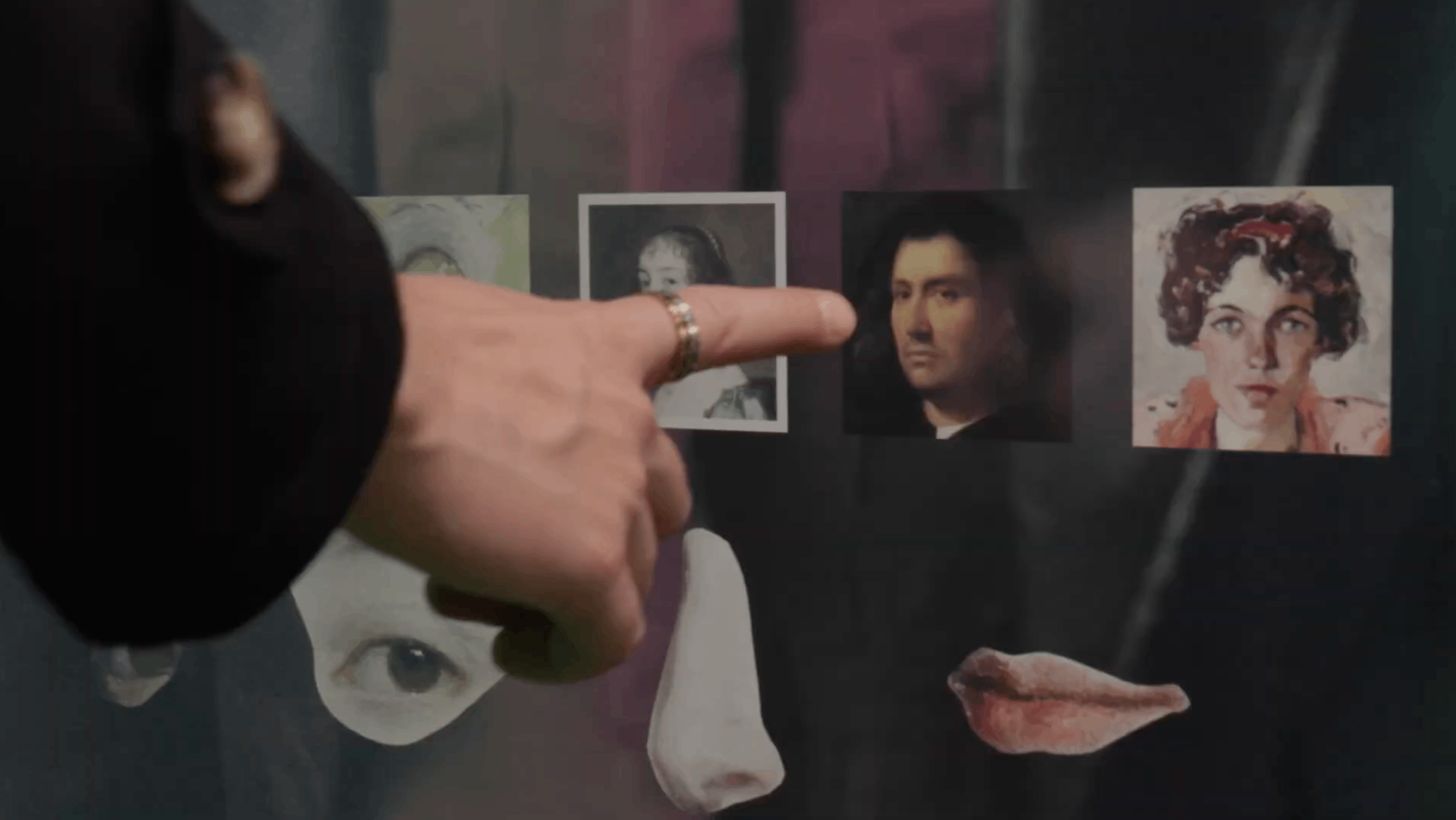
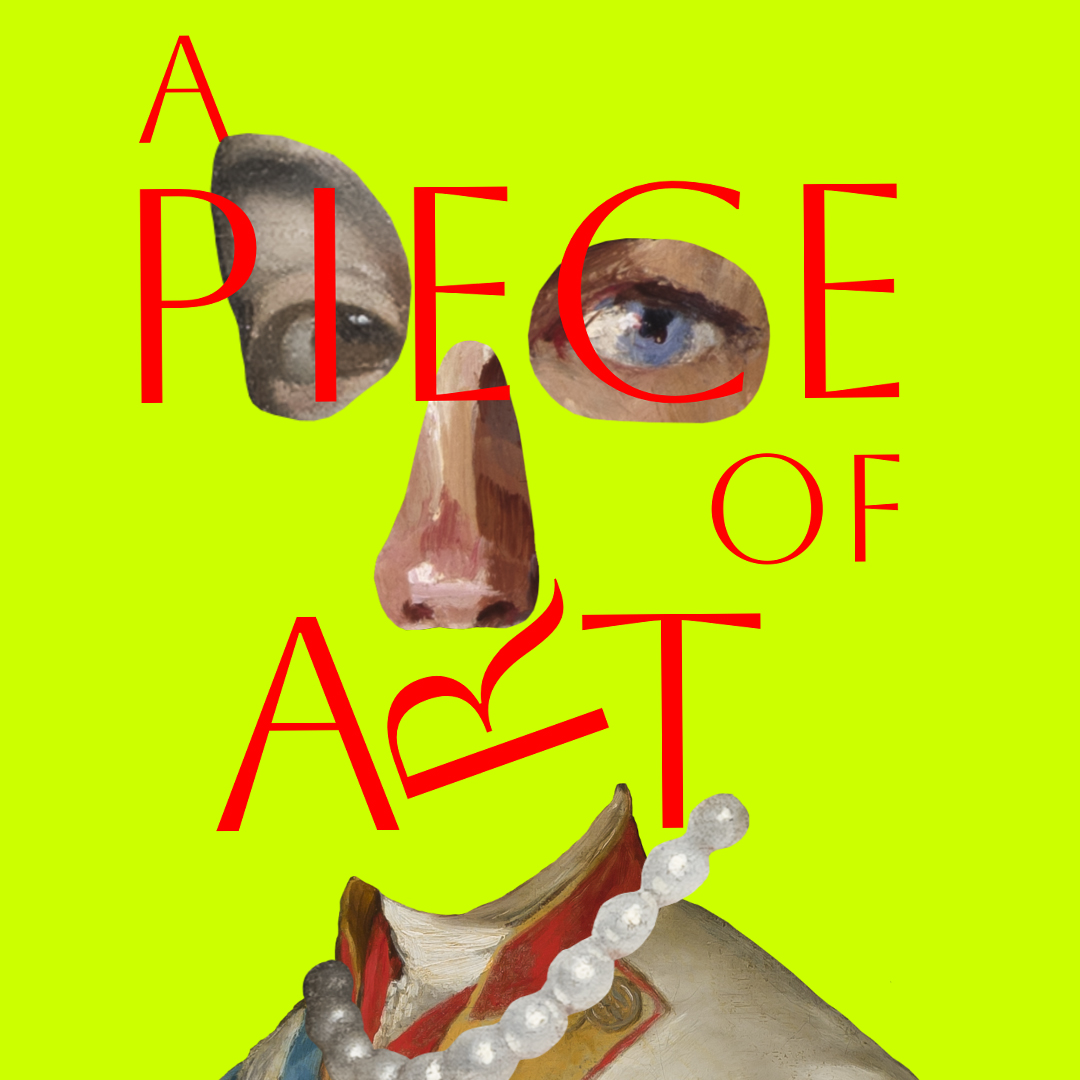
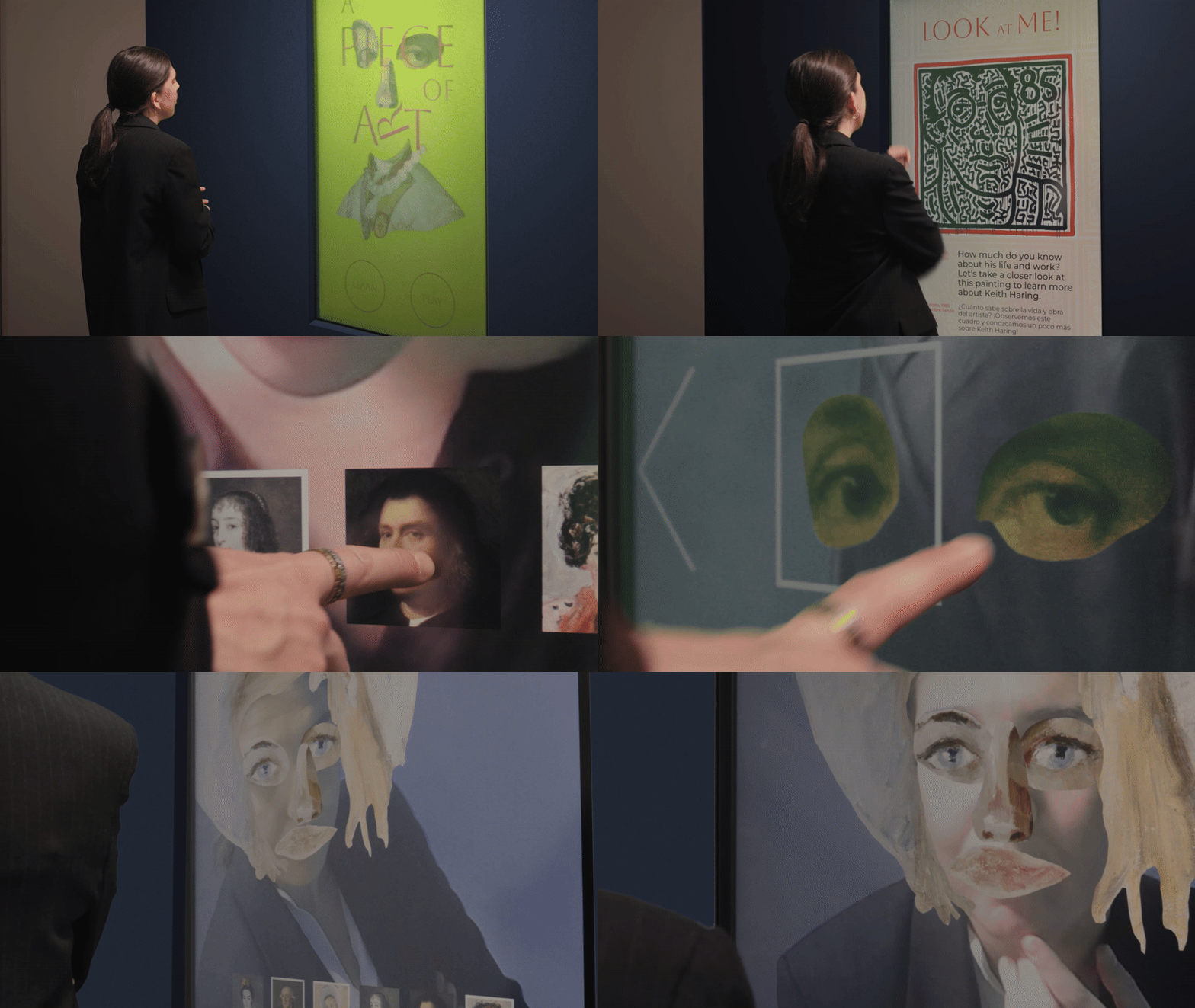
Another interactive experience we developed for The San Diego Museum of Art takes a more playful approach, faithful to the creative irreverence of Keith Haring. Via a camera-equipped screen and an augmented reality app we designed for the museum, visitors can piece together a selfie using fragments from various works in the museum to download or share on social media.
This is a nod to the American artist's self-portraits, whose biographical and creative background can also be explored through an interactive tour. The goal this time is to introduce Haring’s universe, offering an exploration of identity and self-representation in a hyper-connected era, while sharing and promoting the museum’s collection in an intuitive, educational, and fun way.
Visitors can piece together a selfie using fragments from various works present in the museum.
In a world that is hyper-connected yet increasingly fragmented, where images and sounds reach us in disconnected bursts, unifying experiences like the ones we designed and developed for The San Diego Museum of Art offer a way to transform a museum visit into a collective celebration anchored in the present, transcending physical and generational limits. Moving out to meet art and nature with Chillida, stepping into self-portraiture alongside Haring, or standing at the intersection of art and technology with Hockney—these are just a few expressions of that spirit.
Unifying experiences like the ones we designed and developed for The San Diego Museum of Art are a way to transform a museum visit into a collective celebration that transcends physical and generational limits.
Discover more about our work at The San Diego Museum of Art.
NEXT IN Summit is the forum driven by ACCIONA Cultura that gathers international cultural leaders to share experiences, debate ideas, and analyse the challenges that will define the future of the cultural industry.